PBR Teams Explained: How the Team Series and Championship Work
Understand PBR Teams game scoring, starting lineups, coach decisions and the 2026 regular season before the team championship in Las Vegas.
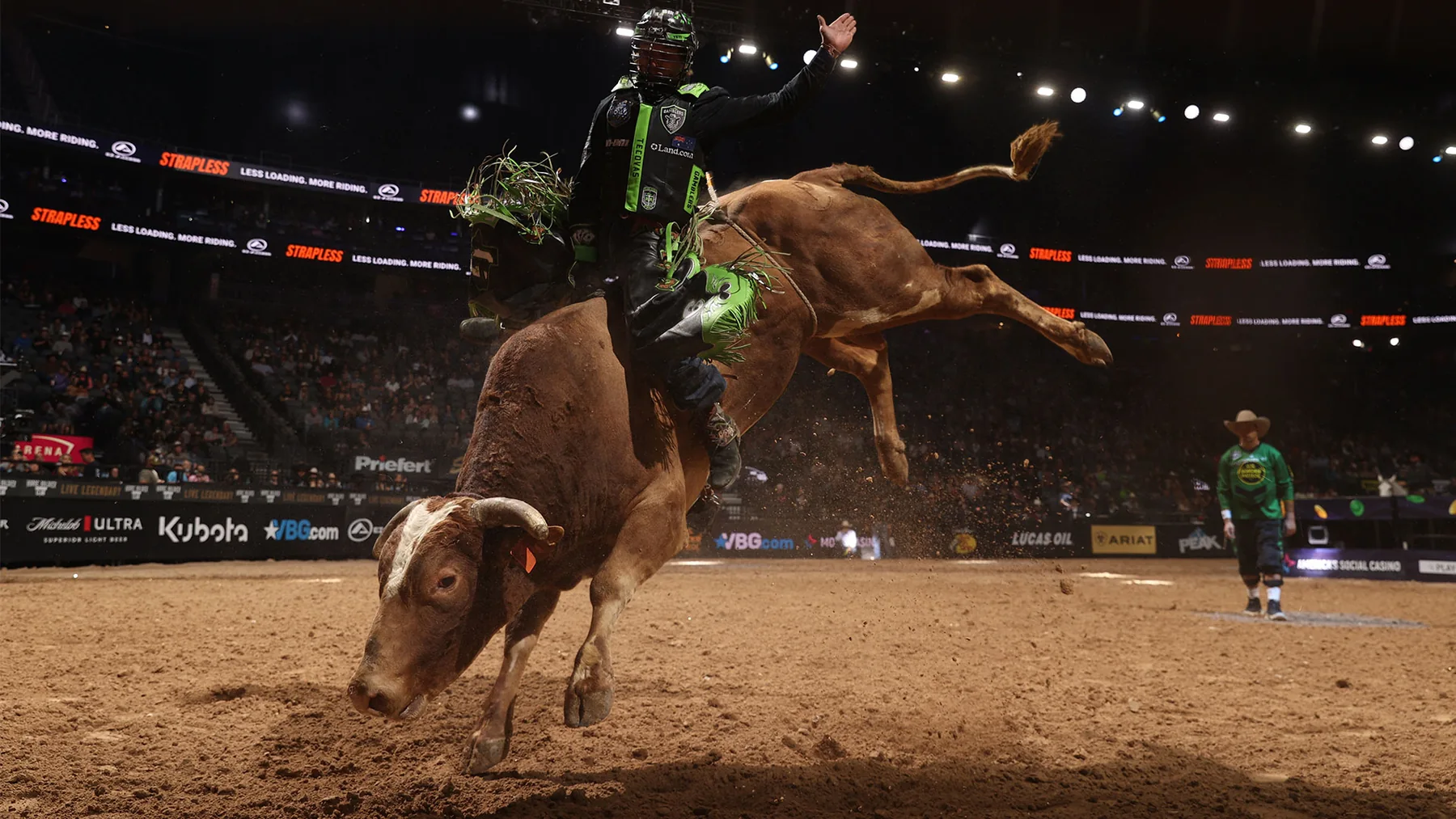
PBR Teams is club bull riding played through five-on-five games: the qualified ride scores from each lineup form a team total, and the higher aggregate wins the matchup. In 2026, ten clubs compete through a regular season before the PBR Teams Championship in Las Vegas on November 6–8.
The eight-second challenge remains individual, but the result contributes to a shared goal. This guide explains game scoring, starting lineups, coach decisions and the route from regular-season records to the team title. It uses the 2026 format, since older league introductions can describe different roster limits, bonus rounds or championship dates.
What PBR Teams changes about bull riding
PBR Teams turns a sequence of individual bull rides into head-to-head club competition. A rider still has to complete his own attempt, but his credited score helps his team beat another team. That shared objective changes how you watch: the next rider can rescue the club's position even after an earlier teammate bucks off.
The 2026 league has ten clubs: Arizona Ridge Riders, Austin Gamblers, Carolina Cowboys, Florida Freedom, Kansas City Outlaws, Missouri Thunder, Nashville Stampede, New York Mavericks, Oklahoma Wildcatters and Texas Rattlers. The official Team Series directory introduces their identities and homestand events. Club names and colors give the audience a continuing side to support across the season.
One rider's career can connect several competitions. Seeing a familiar athlete in an individual Unleash The Beast event does not make that event a summer Teams game. Check the tour and format listed for the session. The individual tour measures the rider's own championship campaign; the Team Series follows clubs through a regular season and a separate team championship.
Think of the game as two lineups competing through their assigned opportunities. You can appreciate a difficult ride on its own while asking what it does to the team total. An excellent score is valuable, yet support from other riders can be just as decisive. A club that converts several matchups can beat an opponent whose best rider produced the evening's standout single ride.
This gives spectators two ways into the sport. Follow a rider whose style interests you, then follow the club he represents in this competition. The team's opponent, lineup and cumulative score supply the game's larger story. Our PBR Teams page helps locate the relevant session before you open its starting lineup.
Older introductions remain useful for learning how the league began, but an eight-team founding list is not the current ten-team field. Likewise, a launch-era event format should not decide how you interpret a 2026 result. Start with the season you are watching and let the current game record establish the stakes.
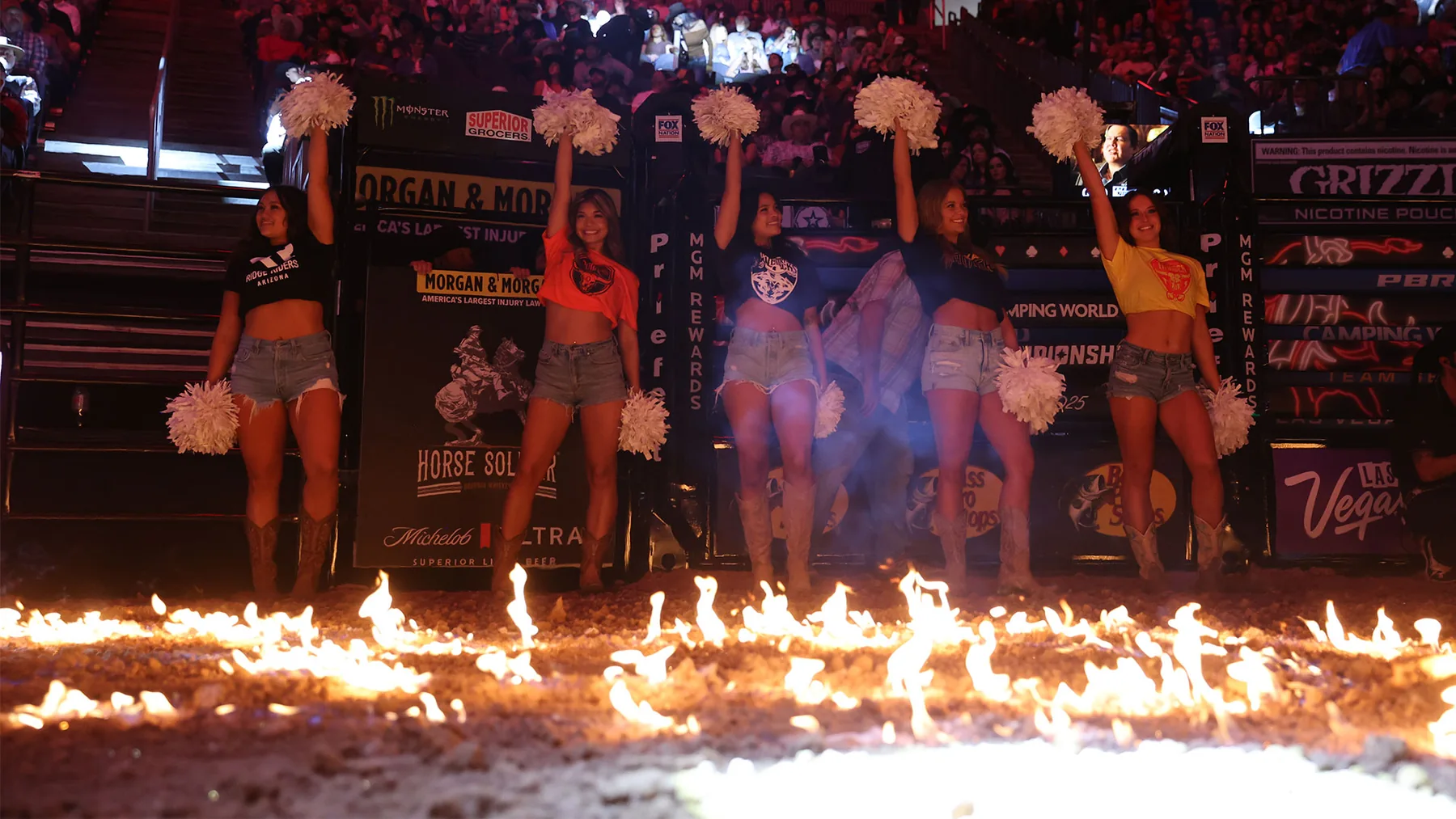
How a five-on-five game is scored
Add qualified rides to find the team total
The foundation remains an eight-second qualified ride: one hand holds the bull rope, while the free hand must avoid disqualifying contact. A completed ride can earn up to 100 points, with the rider and bull contributing up to 50 each. The difficulty of the animal and the rider's control both matter to that combined score.
For a standard regular-season Teams game, each side selects five riders. Their credited ride scores form the club's aggregate, and the higher total wins the matchup. You are adding qualified ride scores, not choosing the best ride and ignoring the rest. A buckoff produces no qualified ride score for that attempt.
Consider a purely hypothetical game. One club earns a 90-point ride and no other scores. Its opponent earns 87, 86 and 85, with two non-scores. The second club wins 258–90 despite having no single ride as high as 90. This example shows why conversion across the lineup matters alongside the quality of its best attempt.
Watch the game situation change after each credited ride. A team trailing after two outs may still have enough opportunities to recover. Conversely, a strong opening ride does not secure victory while the opposing lineup has scoring chances left. The number of remaining opportunities gives the displayed total its immediate meaning.
Read zeroes, ties and re-rides carefully
The official Teams primer distinguishes wins, losses and ties. It also identifies an important exception: if neither club records a ride score after its five outs, both receive a loss. Do not automatically describe every 0–0 appearance as a drawn game.
A blank upcoming score is different again. Before an event begins, a lineup can show rider-bull pairings without completed scores. Check whether the game is marked upcoming or completed before interpreting a displayed outcome. Our results page helps locate the event, while its official game record supplies the credited details.
A re-ride can add complexity to the attempt list. Judges may allow another opportunity when the original bull's performance or a foul prevents a fair attempt. Read the ruling and the score ultimately credited; an extra row does not automatically mean a sixth ordinary starter or two scores added for the same lineup position.
The bull can also receive its own score when the rider bucks off. That number evaluates the animal and should not be added to the team's aggregate as though it were a qualified rider score. Follow the column labels and the official final total. Keeping those distinctions clear makes the game's arithmetic straightforward even when the riding itself becomes complicated.
Why coaches and roster depth matter
Teams competition gives the coach a role in the rider-bull pairing. PBR describes a balanced group of five bulls being drawn for each club, followed by the coach matching riders to those animals. The team does not simply send its best-known rider against whichever bull happens to appear next.
That makes matchup selection worth watching. A rider's experience against an animal, his ability to handle its movement and his availability can inform the decision. These are useful questions for a spectator to consider, not proof of what a coach privately decided. When a broadcast explains a pairing, compare that explanation with the attempt you see.
Coaches also manage the lineup across an event. A name on yesterday's starting list does not guarantee the same role today. Read the current list and any official availability information. A different selection can reflect the club's options without establishing an injury or disagreement that has never been announced.
A roster is larger than the starting lineup
Five starters describe the game, not the entire organization. A club maintains additional riders so it can prepare lineups and respond to changing availability. Those riders should not be counted as extra ordinary outs merely because their names appear on the team roster.
The official 2026 rulebook rundown says teams can carry up to three additional Reserve Roster riders from June 3 through November 16, 2026. That is a reduction from five in 2025. A current-season announcement therefore matters when an older introduction gives a different reserve limit.
Reserve riders can train with the club and can be selected for competition under the league's rules. Their practical value is depth: the organization has more options than the five names initially placed in a game. However, roster membership, event availability and starting selection are separate steps. Check the actual lineup before assuming any reserve will ride that evening.
In-game changes also have limits. PBR's primer identifies circumstances such as an injury, a re-ride or a game already clinched, rather than unrestricted swaps whenever the score becomes uncomfortable. Follow the announced substitution and the credited attempt. An eligible replacement is part of a specific ruling and situation, not permission to expand the game indefinitely.
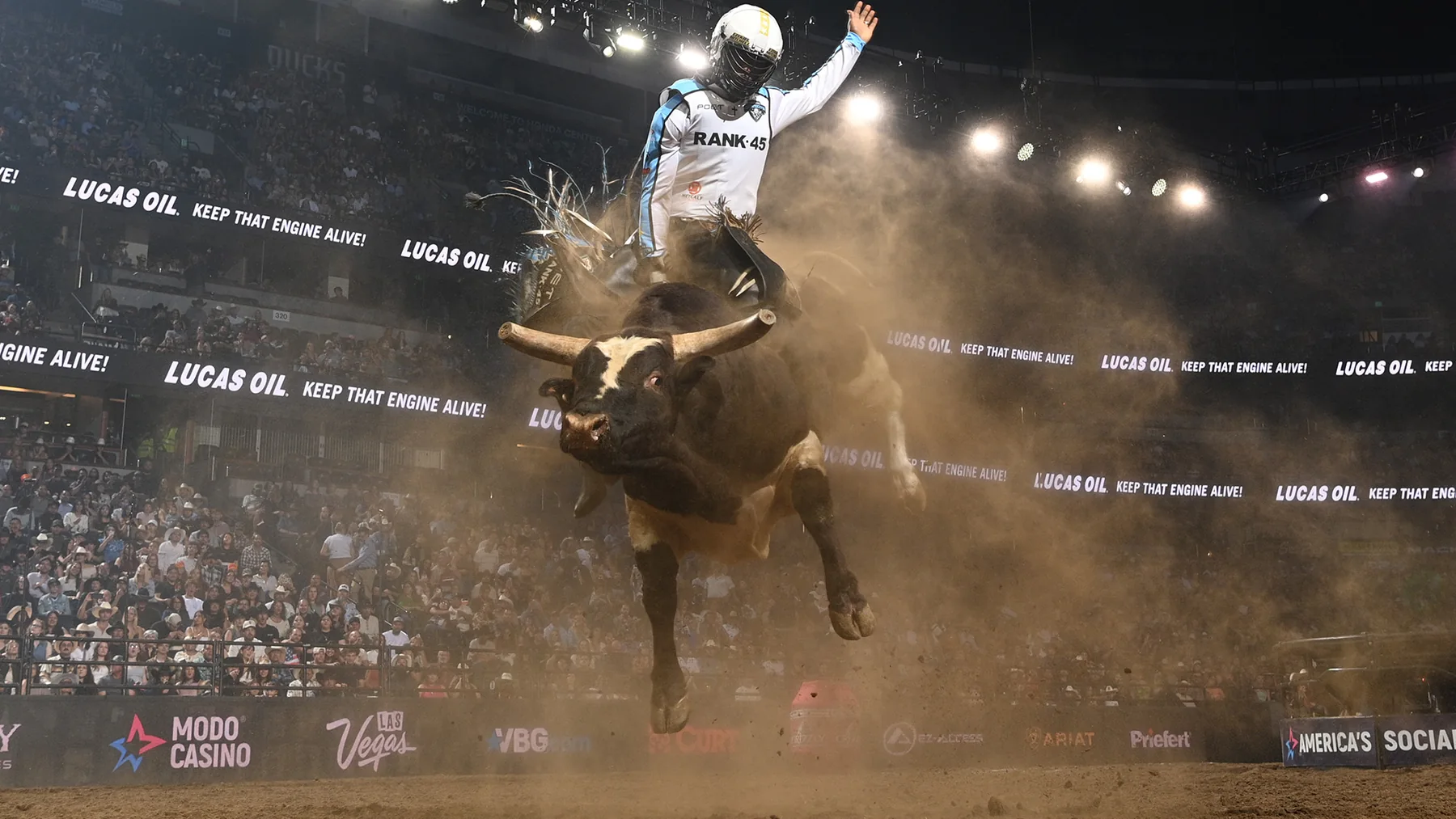
How the regular season builds the championship race
The 2026 regular season contains 12 events: a homestand hosted by each of the ten clubs, plus neutral-site competition in Fort Collins and Anaheim. Each club plays 35 games, with one game on each event day. Across the whole league, that produces 175 regular-season games.
The numbers describe different scales. A team's 35 games are its own season; the league's 175 count each matchup once, even though two clubs participate. An event can span multiple days, so attending one day does not necessarily include every game played at that stop. Check the dated session and the opponent list when choosing what to watch.
The 2026 schedule announcement makes the season's scale clear. For the race as it develops, use the official Teams standings and confirm the season selected. A game score tells you what happened against one opponent; the record places that outcome in the wider campaign.
Regular-season wins and losses determine playoff seeding. The club's immediate task is winning its next game, while the longer task is improving its position for the championship. A large margin can make a performance impressive, but it is not a substitute for reading the official record and the league's seeding information.
Do not transfer an early league format onto the current season. Launch-era explainers discuss event wins and bonus rounds that can confuse someone following today's table. PBR's current primer describes game results and season records as the relevant framework. Use the official current-season standings when asking which club is ahead.
Individual recognition runs alongside that club race. The league MVP measures a rider's accumulated scoring performance, while the team table measures the club's competitive record. An outstanding rider can help his side enormously without making those two awards the same competition. When comparing athletes, identify the MVP table rather than borrowing their individual-tour standings.
For a useful season assessment, look at both the result and how the lineup produced it. Several qualified rides suggest broad contribution that evening; one decisive score suggests a different route to the same win. Those observations help explain a game without inventing a season-long trend from one night. The following matchup supplies another test, and the championship will pose its own elimination pressure.
How the PBR Teams Championship works in 2026
The 2026 PBR Teams Championship is scheduled for November 6–8 at T-Mobile Arena in Las Vegas. As of October 1, the championship is still ahead. The official championship site confirms an elimination tournament involving all ten clubs, with the top three teams receiving a bye to Day 2.
That bye explains one major regular-season incentive. A higher seed can avoid the opening day's elimination competition. It gives the club a different entry point into the tournament, while leaving the team responsible for winning the games ahead. A bye is an advantage, not a championship already awarded.
The field narrows as the tournament progresses until a team earns the title. Read the published championship bracket and the current game result together as the weekend unfolds. A regular-season matchup list cannot tell you every opponent a club will face in elimination competition, because advancement changes the remaining field.
For an arena visit, use the venue's dated event listing when choosing a session. Doors opening, competition starting and broadcast coverage are different times. Confirm the date attached to the ticket rather than assuming one purchase covers the entire championship weekend.
Separate the team title from the individual World Finals
The PBR Teams Championship and the PBR World Finals crown different competitions. Las Vegas hosts the team title event described here. The 2026 individual World Finals took place in Texas in May, with competition at Cowtown Coliseum and Dickies Arena. Similar names and familiar riders do not make these interchangeable events.
A rider's individual success can be part of his reputation when he enters the Team Series, yet it does not determine his club's elimination result. The team must earn its game scores through the lineup actually selected for the championship. Likewise, a club title does not automatically award every member the individual World Championship.
When searching for tickets, results or broadcasts, include the complete competition name and year. A page about the May World Finals will not answer a question about the November Teams Championship. An old October Las Vegas listing may belong to a previous team season. Matching the event identity first keeps the date, bracket and viewing information aligned.
Follow your team from the lineup to the final score
Begin with the event and date in today's PBR events. Check that the session belongs to the Team Series, then find your club's opponent and position in the game schedule. An evening can contain several matchups, so the opening time is not necessarily the moment your favorite rider leaves the chute.
Open the current starting lineup before watching. Match the riders to their assigned bulls and note any official changes. Keep the wider roster separate: a recognizable athlete may belong to the organization without appearing in that game's five selected positions. The current list is the useful guide to the opportunities actually scheduled.
Choose coverage from the dated listing in our TV and streaming schedule, then confirm the broadcaster's event details. In the United States, 2026 Teams coverage is divided among CBS, The CW and Paramount+. Do not assume that one platform's PBR page carries every game or that a free app guarantees the full live season.
The method of access also matters. A local over-the-air broadcast, a paid television bundle and a streaming subscription are different arrangements. Use PBR's official viewing guidance for the service identified for your session. Outside the United States, consult the available regional listing rather than transferring the American coverage split to your country.
While the game runs, track the credited team total and the remaining lineup opportunities. Watch the bull's movement and the rider's response, then read the announced score in its game context. A re-ride or substitution is a reason to follow the ruling carefully; it should not lead you to add an uncredited score to your own running total.
Afterward, check the completed result and compare it with the official Teams record. A highlight can show an excellent ride without showing every attempt that decided the matchup. The full result tells you which club won and how the lineup contributed.
That routine makes the team format easier to enjoy. You know which game you are following, who has been selected, where the session is shown and which score settles the outcome. Across the season, the same questions connect an individual eight-second effort to the club's next game and, eventually, its championship opportunity.
Keep reading
Related PBR articles
Teams & Standings
2026 PBR Teams Championship Seeds: Byes, the Ride-In Game and Opening Matchups
By PBR Schedule Editorial TeamTeams & Standings
PBR Teams Standings October 2026: Why Missouri Leads and What Can Change
By PBR Schedule Editorial TeamTeams & Standings
Join the conversation
Comments
Comments are reviewed before publication. Keep the discussion useful, respectful and focused on bull riding.
Sign in with Google to comment
Your public comment shows your account name. Your email address is not displayed.
Commenting as
Loading comments…