PBR Teams Standings October 2026: Why Missouri Leads and What Can Change
An October 1 guide to the ten-team standings, Missouri's points advantage, September's lead changes and the final regular-season stops.
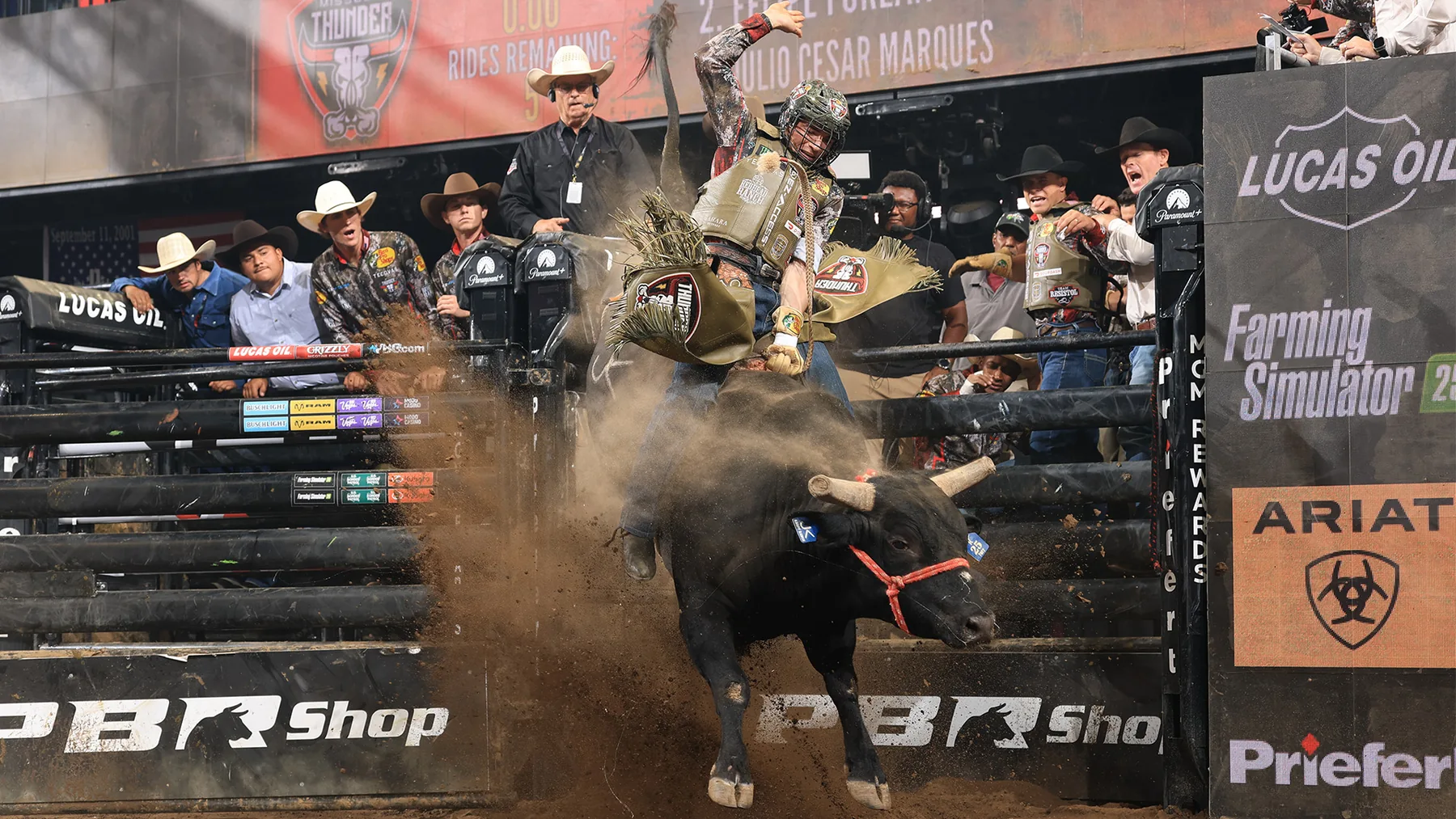
Missouri leads the PBR Teams standings entering October 2026, ahead of Nashville on the points tiebreaker with matching 16–7 records. This October 1 snapshot explains the official order, September's lead changes, the chasing clubs and the remaining calendar before the Championship.
The October 1 standings in one table
Missouri leads the 2026 PBR Teams standings entering October. The table below is a snapshot checked October 1, before the next event begins. It preserves the official order and each club's win–loss record. Every team has completed 23 games, making this a useful moment to compare records without adjusting for an unequal number of games.
| Rank | Team | Wins–losses |
|---|---|---|
| 1 | Missouri Thunder | 16–7 |
| 2 | Nashville Stampede | 16–7 |
| 3 | Carolina Cowboys | 14–9 |
| 4 | Austin Gamblers | 13–10 |
| 5 | Texas Rattlers | 12–11 |
| 6 | Arizona Ridge Riders | 10–13 |
| 7 | Florida Freedom | 9–14 |
| 8 | Oklahoma Wildcatters | 9–14 |
| 9 | Kansas City Outlaws | 8–15 |
| 10 | New York Mavericks | 8–15 |
A club's record describes completed team games. A 16–7 entry means sixteen wins and seven losses; it is not a rider's number of qualified rides. Reading the record correctly matters when a search result offers an individual MVP leaderboard beside the team standings. Both concern the same league, but they measure different competitions.
The date is just as important as the rank. A September report can accurately describe who led on that particular night while showing a record that has since changed. This snapshot gives you a starting position for following October. After the next performance, check the live table rather than treating these numbers as a permanent ranking.
Use the table to frame three questions before choosing a game to watch. Which clubs can exchange a position through their own matchup? Which clubs need help from another result? Which same-record pairs need their scores checked as well? These questions explain why a game outside the top two can still matter to the league's final-month picture.
For example, choosing only the match featuring your favorite club may miss a result that changes the team directly above it. Following the surrounding games makes the updated rank easier to understand when your club reaches the chutes. Keep a note of its starting record and the opponent's starting record, then compare both after the official result is final. That small habit helps separate movement caused by your own club's game from movement caused elsewhere in the performance.
Why Missouri ranks above Nashville with the same record
The two leaders have equal win–loss records, but Missouri owns the points tiebreaker. PBR's September 20 standings report documents that position after Greensboro: the Thunder had 5,033.60 points against Nashville's 4,677.25. Subtracting the totals gives Missouri a 356.35-point advantage.
That advantage explains the order between these particular clubs at the current snapshot. It does not mean Missouri has won an extra game. Both can correctly be described as sharing the best record, while the official ranking places the Thunder first. Keeping those descriptions together avoids the apparent contradiction between a headline about tied leaders and a table with separate first and second positions.
Wins and losses come before comparing season scores
Austin illustrates why sorting every club by its aggregate would produce the wrong league order. The same September 20 table gives the Gamblers 4,700.70 points, more than Nashville, but places them below the Stampede. Their different win totals matter before that score comparison. High scoring across the season can coexist with losing more head-to-head games.
For a fan tracking the next performance, the first task is therefore to record who won. Then check how the completed scores affect any clubs whose records match. A big losing score can improve an aggregate without supplying a win. A narrow winning score can supply the win that a team needs even if it contributes fewer points than another club's performance elsewhere.
Imagine two clubs entering a day with equal records. If one wins and the other loses, the immediate comparison changes through the records. If both win, their records remain equal and the score comparison stays relevant. This is a conditional reading exercise, rather than a forecast of October's games or a complete rule for every possible tie.
A tied league record is different from a tied game
Missouri and Nashville reached their matching records through separate schedules of completed games. Calling their records tied says nothing about whether a particular game between them finished level. One comparison ranks clubs over a season; the other concerns the decision in one head-to-head matchup.
For the season comparison, PBR also expressly described Missouri's points tiebreaker in its September 13 report. For a disputed or tied game, follow that game's official decision and applicable competition rules. A championship overtime description or a rule from the spring team challenge should not be used to infer an October regular-season ruling. The current leader comparison is clear without importing those separate procedures.
How September changed the lead before the October stretch
September supplied a useful demonstration of how quickly a close league lead can move. Missouri took the top rank on points with both leaders at 12–6 after the opening night in Anaheim, according to the September 11 report. Two nights later, both had completed perfect 3–0 weekends and stood at 14–6, with Missouri still ahead on points.
That September 13 checkpoint explains an older number that may appear when searching for the leaders. It was accurate after Anaheim. It describes an earlier stage of the season than the October snapshot. A search result showing that record should be read with its event date before it is used to assess today's chase.
The order then changed in Greensboro. PBR's September 19 report placed Nashville at 16–6 and Missouri at 15–7. Nashville defeated Carolina, while Oklahoma upset Missouri. The leaders no longer needed a same-record comparison that night: the Stampede had the better record.
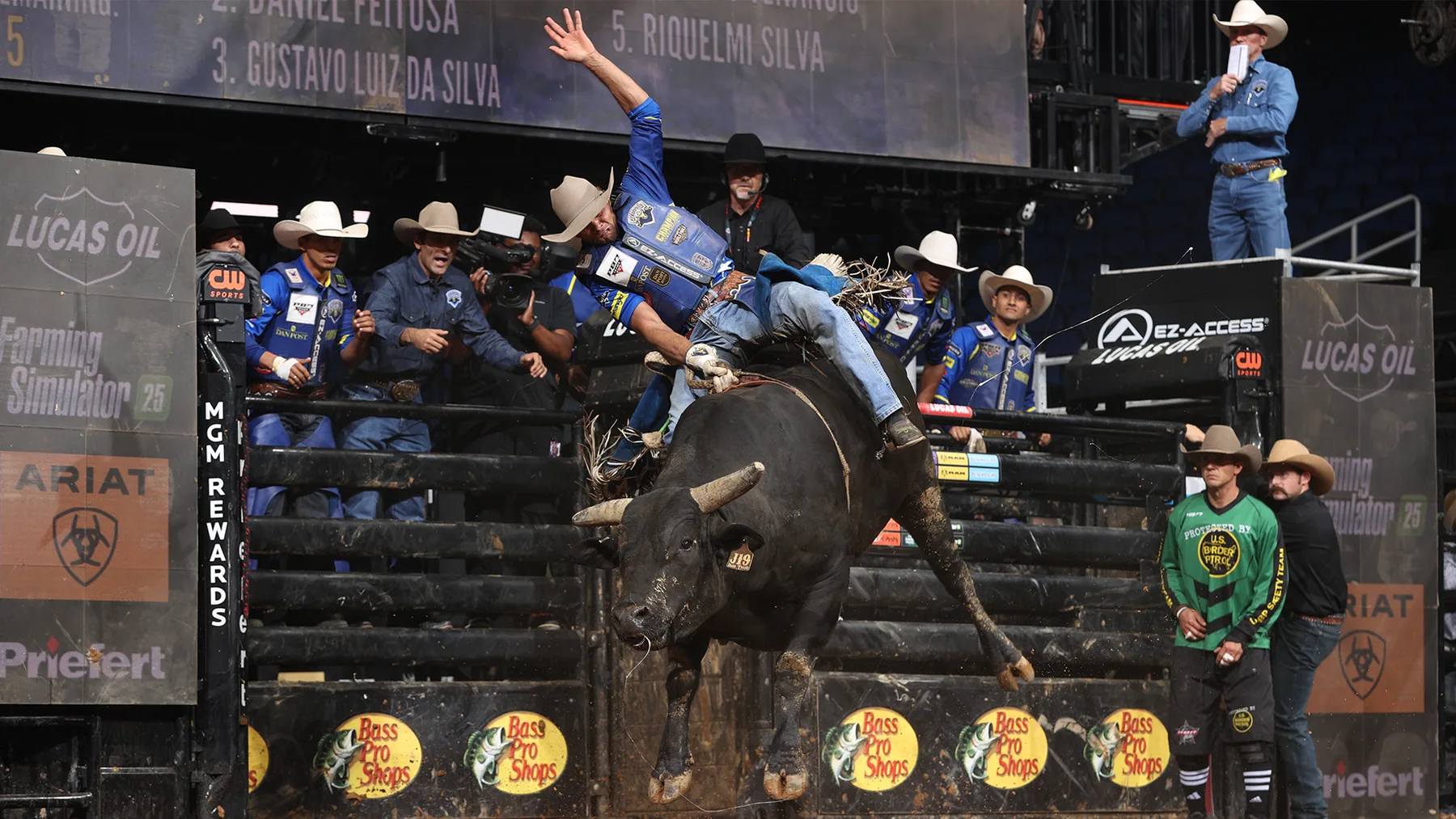
Compare that Saturday checkpoint with the current table and the order has changed again. The sequence shows why “the leader” needs a date attached to it. Neither a strong weekend nor a favorable aggregate makes the next night's ranking immune to another result.
For October, this history provides a better viewing guide than a claim that one club is certain to stay first. Watch the leaders' complete performances, including their opponents' opportunities to answer. Then wait until both relevant games finish before deciding whether the gap has widened, narrowed or moved back to a same-record comparison.
It also suggests how to read a highlight. A spectacular ride may supply important points, but the club still needs the combined game result to preserve its record advantage. A close loss can change the rank even when the team has ridden well. Following both the final result and the season aggregate makes the next lead change easier to understand without dismissing either measure.
What the chasing clubs need from the final month
The rest of the table creates several different October pursuits. A club immediately behind the leaders is trying to turn a manageable separation into a challenge for first. A club farther down must consider the teams between itself and that target. These are different routes even when all the clubs share the same remaining event calendar.
Carolina, Austin and Texas have different routes toward the leaders
Carolina has the shortest route from the chasing group toward the top pair. Its first requirement is to add its own wins; its second is for the leaders to leave enough opportunities unused for the gap to shrink. Winning a weekend does not necessarily create a large gain if the clubs above also produce successful weekends.
Consider a hypothetical three-game stop. A chasing club going 3–0 while a leader goes 2–1 gains one win relative to that leader. If both go 3–0, their win separation is unchanged. This is straightforward record arithmetic, not a prediction that any October club will sweep. It explains why fans following Carolina need to watch the leaders' results alongside their own.
Austin's route includes Carolina, while Texas has Austin as its nearest club above. A win against a direct rival supplies your own victory and denies that opponent a victory in the same matchup. That makes direct games especially informative. They can change the immediate comparison without requiring the fan to wait for an unrelated game elsewhere.
Still, passing one club does not automatically catch every club above it. Assess the next position after a game finishes, then reassess the wider chase. This approach gives a derby or rivalry result its proper weight while retaining the rest of the month's work. A weekend's complete record remains a better measure of league progress than its most satisfying single highlight.
The lower half can still change the order through direct matchups
New York offers recent evidence that a low position does not make the next result predictable. PBR's September 21 feature documents four consecutive Mavericks victories, beginning against Carolina in Anaheim and continuing through a 3–0 Greensboro weekend. Florida, Arizona and Texas were the three opponents in that sweep.
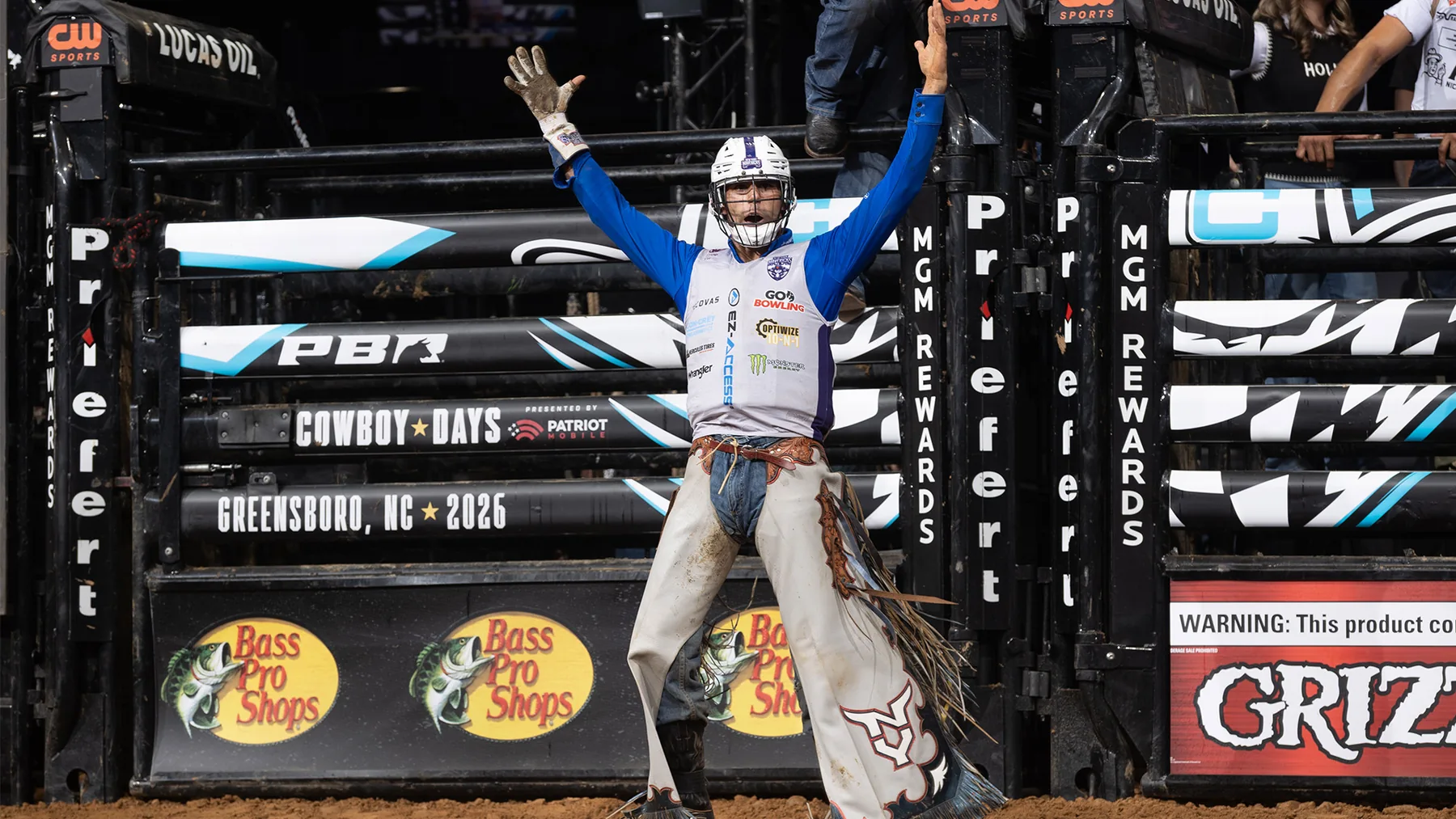
That run should change the questions asked before the next matchup, rather than erase the earlier losses from the table. Can the available lineup keep producing enough conversions to win? Can the opponent answer before the last out? A recent streak supplies evidence of what a team has just achieved, while its season record preserves the larger campaign.
Oklahoma's September 19 win over Missouri provides another example from a different part of the standings. The result took a victory from a leader and helped change the top order that night. Clubs outside the leading group can influence the race through the games they play, even when they are also pursuing a smaller move in their own position.
Follow those lower-table comparisons on their own terms. A team gaining a place against a nearby club has made meaningful progress even if the overall lead remains distant. The next update should show which opponents it has passed, which records still match and which remaining direct games deserve closer attention.
The October calendar and the championship destination
The official event calendar supplies four regular-season checkpoints in October. The venues and dates below let you follow the table through the month, rather than treating the next event as the entire remaining race.
| Dates | Event | Venue |
|---|---|---|
| October 2–4 | Rattler Days | Dickies Arena, Fort Worth |
| October 8–10 | Ridge Rider Days | Desert Diamond Arena, Glendale |
| October 16–18 | Maverick Days | UBS Arena, Belmont Park |
| October 23–25 | Outlaw Days | T-Mobile Center, Kansas City |
Ridge Rider Days runs Thursday through Saturday. A reminder built on the assumption that every event begins Friday would miss its opening performance. Check each stop's own dates before arranging viewing time or travel. Then compare the standings at the end of that stop with the position at its beginning.
PBR's season announcement assigns each club 35 regular-season games. Subtracting the 23 already completed leaves twelve before Fort Worth starts. That is a club schedule calculation. It does not guarantee twelve attempts to any one rider, since the actual lineup determines who competes.
The 2026 Championship site places the title tournament at T-Mobile Arena in Las Vegas on November 6–8. It says all teams compete and the top three receive a Day 2 bye. Finishing near the top therefore has a concrete tournament consequence, while first place in the regular-season table still leaves a championship to win.
That published benefit gives the pursuit of the top three a practical meaning. A club just outside that group is working toward a different starting position at the title event, as well as a better regular-season finish. A club already inside it needs to protect that position while pursuing the leaders. The precise picture will depend on the final records and official order after the remaining games.
Keep the two T-Mobile venues separate when planning a trip: Kansas City's October event uses the Center; the Las Vegas Championship uses the Arena. Following the Teams schedule through those stops connects the ranking story with the performances that can change it. Save the current date, finish the next checkpoint, and then assess what the remaining calendar still offers.
How to read the next standings update
Start the next performance with the today page, then identify the Teams event and games relevant to your club. Keep the October 1 snapshot as the starting reference, while recognizing that it becomes historical as new results are completed. A saved table is most useful when it helps explain a change.
During the performance, separate a live score from a finished result. A club can lead while its opponent still has an opportunity to answer. A review can also delay the final decision. Record the winner from the completed game results before updating your own comparison of records.
Compare completed games and keep individual awards separate
For the leaders, wait until both relevant games are complete. If one has played and the other is still waiting, the temporary comparison includes different amounts of new information. That is especially important when judging whether a same-record position has changed. Note the completed wins and losses first, then check any relevant aggregate comparison in the official table.
For a chasing club, repeat the process with the team immediately above it and any nearby opponent it has just faced. You do not need to recalculate every position while the performance is underway. A small set of completed comparisons will explain the immediate movement more reliably than reacting to each partial score.
An individual highlight supplies another view of the night. Suppose a rider produces an excellent qualified score but his club's opponent adds enough combined points to win. The rider has succeeded on his own out, while the club has lost the game. Conversely, teammates can deliver a club victory after its leading rider has a non-scoring attempt. The team result and the individual achievement deserve separate attention.
This is why a search for standings should specify which leaderboard is needed. The club table answers where the team sits in the league. An individual table answers a rider comparison. Check the page's competition and season label before using either to explain the other.
Use the viewing schedule to follow the relevant session, and return after the complete performance for the next dated snapshot. October's race will be clearer when each update records what actually finished, what position changed and which next matchup can affect that comparison.
Keep reading
Related PBR articles
Teams & Standings
2026 PBR Teams Championship Seeds: Byes, the Ride-In Game and Opening Matchups
By PBR Schedule Editorial TeamTeams & Standings
PBR Teams MVP Race 2026: Leme vs. Rossetto After a Record-Breaking September
By PBR Schedule Editorial TeamTeams & Standings
Join the conversation
Comments
Comments are reviewed before publication. Keep the discussion useful, respectful and focused on bull riding.
Sign in with Google to comment
Your public comment shows your account name. Your email address is not displayed.
Commenting as
Loading comments…