Jose Vitor Leme's 95th 90-Point Ride: The Record and the 2026 MVP Finish
The original Kansas City game result explains Leme's 95th career 90-point ride, its relationship to Shivers' standard and a separate third Teams MVP award.
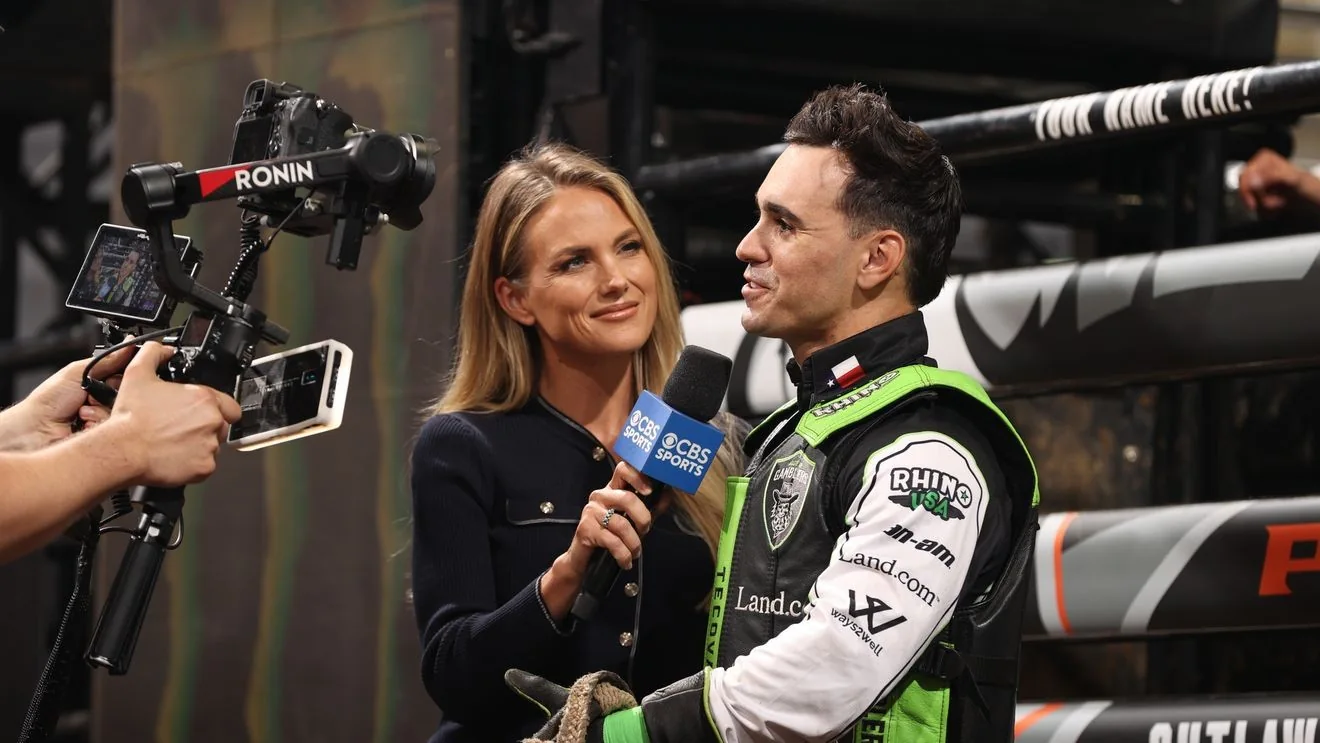
Jose Vitor Leme broke Chris Shivers' career record for 90-point rides on October 24, 2026, covering Moonlight Graham for 90.55 points in Kansas City. It was his 95th career ride at or above 90, moving him ahead of Shivers' 94. The same night also secured his third PBR Teams regular-season MVP award.
Those achievements belong together in the story, but their numbers measure different things. The career record counts elite performances across years; the MVP standings evaluate one Teams regular season. Here is how the record weekend unfolded, what the judging numbers mean, and why Austin still has work to do in Las Vegas. Results and future-event information were checked on October 31, 2026.
The most useful way to follow the story is to keep the ride, the season and the team in view at the same time. A single eight-second performance can move a rider into the record book and settle an award race while producing only one score in a five-rider game. That makes the weekend unusually rich in consequences. It also explains why headlines using the same photograph can emphasize different achievements without referring to different rides, and why the original game result is the best starting point when a shared score or date looks uncertain.
What record did Leme break in Kansas City?
Leme moved ahead of Chris Shivers in the career count of PBR rides scored at least 90 points. The decisive performance came aboard Moonlight Graham at Outlaw Days in Kansas City, Missouri, on Saturday, October 24, 2026. His score was 90.55; his career total of performances reaching the 90-point threshold became 95. Keeping those two numbers separate is the quickest way to understand the headline.
Friday tied Shivers; Saturday moved Leme ahead
The milestone unfolded over two nights at T-Mobile Center. On Friday, October 23, Leme rode Super Trooper for 92.20 points. The original PBR report identifies that as his 94th career 90-point ride, drawing him level with Shivers. It was the tie, rather than the moment he took sole possession of the record.
Saturday's ride supplied the next entry. That progression explains why searches produce both “ties” and “breaks” headlines. They can describe consecutive, separate achievements. A publication date on a later recap can also be several days after the ride itself. For a clip or photograph, identify the bull and the event night: Super Trooper belongs to the Friday tie; Moonlight Graham belongs to the Saturday record.
There is a useful sporting detail in the sequence. The ride that broke the count record scored lower than the ride that tied it. Both crossed 90, so each added one to the career total. The record measures how often Leme has reached that standard, rather than demanding a new personal best every time he adds to it.
The original game result settles the 90.55 score
For Saturday, use the PBR game report and individual result: Game 7 lists Leme on Moonlight Graham at 90.55. The same figure appears in Austin's team total and the final score. That makes 90.55 the figure to use for this performance, rather than a differently transcribed number in another recap.
Austin beat the Oklahoma Wildcatters 90.55–89.10. Each team produced one qualified ride from five positions; Oklahoma's scoring ride came from Renan Almeida Alves on Aggie Pete. The difference was 1.45 points. Leme's record ride therefore also supplied the entire winning score for the Gamblers in that matchup.
That context gives the achievement more weight than a detached career tally. A few points above the threshold still count as one historic entry, yet the exact score can decide a team game. Had Oklahoma added another qualified ride, the equation would have changed. This was a particular close contest won through the performances actually completed, rather than evidence that a 90-point ride always guarantees victory.
Why a 90-point ride belongs to the rider and the bull
A PBR ride can earn up to 100 points, with as many as 50 coming from the rider and 50 from the bull. The official PBR introduction makes the first requirement clear: the rider must complete eight seconds without disqualification to receive a ride score. The judges then assess the performance, rather than awarding the same mark simply for reaching the whistle.
For the rider, control and body position matter. For the bull, the difficulty of the trip matters: its power, kick, changes of direction and other movements can create a greater challenge. The resulting total describes the partnership in that particular out. Calling 90.55 Leme's score is normal shorthand, but the number includes Moonlight Graham's contribution as well as the way Leme handled it.
That distinction changes how to watch a record attempt. A bull with a strong performance can provide the opportunity for an outstanding total, while simultaneously making it harder to finish. An easier-looking trip may permit a clean qualification without offering the same scoring ceiling. The relevant question is how well the rider meets the challenge actually presented, rather than whether one isolated movement appears spectacular on a replay.
A successful eight-second ride below 90 still counts as a qualified ride and can be decisive for a team. It simply does not add to this particular career record. Likewise, a rider can fail to qualify on a bull that earns a strong bull score. That bull's performance does not create a 90-point ride for the rider. The count celebrates the occasions when qualification and sufficiently high combined quality came together.
The score format also deserves a date label. PBR's 2026 scoring announcement introduced finer increments for rider and bull assessments while retaining the combined structure. Fans comparing older footage with this season should keep that change in mind. Our decimal scoring guide explains the detail. For Leme's record, the essential test remains simple: was the ride qualified, and did its official total reach at least 90?
How to compare Leme's milestone with Shivers' standard
Chris Shivers gave the number 94 its significance long before this October. PBR's 2013 account of his record identifies his first 90-point ride as a 92.5 on Tony Lama Boots at the 1997 World Finals. His last was a 90 on Delco in Atlanta in 2012. Those endpoints help explain the longevity behind a total that remained the reference point until Leme reached Kansas City.
Shivers also won the world championship in 2000 and 2003. Those titles supply context, although they are separate achievements with separate requirements. A rider can assemble a championship season through regular qualification and well-timed results; this career tally specifically selects rides that cleared an exceptional scoring threshold. Moving ahead of Shivers therefore gives Leme a clear statistical record without turning every other way of judging a career into the same contest.

A career total measures something different from a highest score
A useful comparison starts by asking what the number measures. Ninety-five counts qualifying performances at or above a threshold. It rewards the ability to reproduce high quality across years and many different draws. It also reflects opportunity: a career with more available outs offers more chances to add another entry. Without matching the underlying opportunities and competition conditions, fans cannot read 95 versus 94 as a precise numerical difference in ability.
The highest score answers another question. In the official account of the 2021 World Finals, Leme and Woopaa combined for 98.75 points, including 50 rider points and 48.75 bull points. That describes the peak of a single performance. His 90.55 in Kansas City mattered because it added another qualifying entry to a lifetime total, even though its score was lower than that famous Finals ride.
Fans can appreciate both records while keeping the comparison honest. Watch the older rides for the challenge and the rider's response; use the published career total for the count. Changes in judging precision, schedules and available opportunities deserve attention, but there is no supported conversion that adjusts Shivers' 94 into a hypothetical modern figure. The greatest riders guide provides broader career context; the Kansas City milestone has a narrower and unusually clear answer.
What the 2026 Teams MVP numbers actually show
The final regular-season MVP standings provide a more complete explanation of Leme's season than the two record rides alone. He finished with 2,570 aggregate points, 29 qualified rides in 33 outs and an 87.88% riding percentage. Runner-up Paulo Eduardo Rossetto accumulated 2,476.50 points through 28 qualifications in 35 outs, an 80% conversion rate. Leme's final aggregate advantage was 93.50 points.
| Rider | Aggregate | Rides / outs | Riding percentage |
|---|---|---|---|
| Jose Vitor Leme | 2,570.00 | 29 / 33 | 87.88% |
| Paulo Eduardo Rossetto | 2,476.50 | 28 / 35 | 80.00% |
Read the columns together. Aggregate rewards the points collected from successful rides. The qualification count describes how often a rider supplied a score. The percentage places that success against his opportunities. Leme delivered one more qualification despite taking two fewer outs than Rossetto. That combination explains why the performance stands out beyond a single spectacular highlight.
Dividing Leme's aggregate by his 29 qualifications produces an average of approximately 88.62 points per successful ride. This is an average across his qualifications, rather than all 33 attempts. The four outs without a qualification still matter when evaluating reliability, which is why the riding percentage belongs beside the average. A reader using only the average could miss how consistently he reached the whistle; a reader using only the percentage could miss the quality of those completed rides.
The league's closing report also confirmed his Great 8 Award for the highest riding percentage. That award and the aggregate-based MVP recognize related aspects of the season through different measurements. Neither should be mistaken for a fan popularity vote. In practical terms, a team needs both a frequent score and enough points on the scoreboard to beat its opponent.
The season numbers also set a useful limit on the career-record discussion. A ride can help the MVP aggregate without reaching 90, and a career 90-point total includes performances from outside this particular Teams season. These totals overlap on nights such as October 24, but they answer different questions. For fans evaluating the comeback, the stronger argument is the combination: a new career milestone alongside a regular season with only four unsuccessful outs, rather than treating the milestone itself as the method used to award MVP.
The comeback changed Austin's use of its leading rider
Returning from the missed World Finals
The comeback needs a calendar. PBR's May World Finals announcement confirmed that Leme would miss the event through injury. The October retrospective identified a groin injury. His Teams success came later in the year, in a separate competition. Calling this a successful return should preserve that sequence: the regular-season MVP did not retroactively change the spring individual championship.
Austin announced his return on July 7. The club's announcement also placed him in its longer history, from the first overall draft selection in 2022 to its 2024 team championship. PBR later reported a four-year contract extension. That commitment supplies useful team context, although a contract cannot tell viewers how a rider will perform on his next bull.
The evidence for the return is on the results sheet. Thirty-three outs and 29 qualifications describe what Leme completed during this regular season. They support a discussion of sustained performance, rather than a medical conclusion about whether every consequence of the earlier injury has disappeared. Fans should let the competition record carry that argument and treat any later availability update on its own date.
From the fifth frame to the first
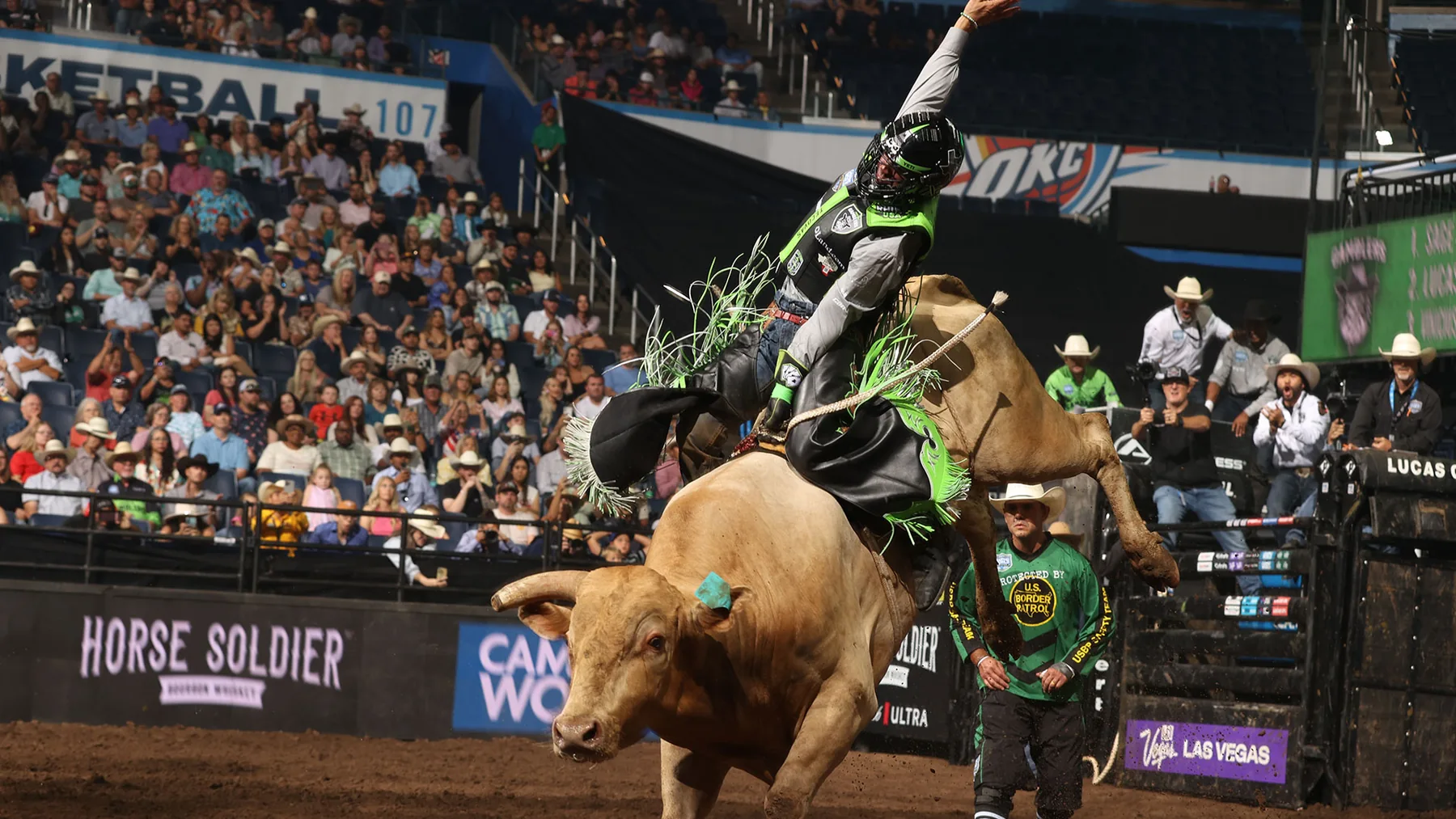
The October 27 feature describes coach Michael Gaffney moving Leme from his established closing role into the opening frame. It changed the timing of Austin's strongest individual contribution. A closer rides with much of the game's required response already visible; an opener has the chance to put a score on the board while most of the contest remains ahead.
That creates a useful viewing question. After Leme qualifies, watch how the remaining four riders turn an early score into a winning total. One successful opening ride provides a foundation, but a rival can still answer it. The lineup position does not give his points extra weight, and the record total does not remove the need for his teammates to qualify.
It would be too strong to credit the move alone for his percentage. Bull draws, execution and the opportunities available across the season all matter. What the results establish is that he sustained outstanding production in the new role. For Austin, the benefit was having its leading rider contribute early with unusual regularity; for viewers, it made the first frame a central part of the game rather than a preliminary wait for a familiar closer.
What the record does—and does not—carry into Las Vegas
As of October 31, the next test is still ahead. The official championship event site lists November 6–8 at T-Mobile Arena in Las Vegas. Austin finished the regular season 22–13 and secured the No. 2 seed, behind Missouri. Its place among the top three gives it a bye into Day 2 of the championship tournament.
That is a meaningful advantage because the Gamblers avoid the opening round. It is also a specific advantage with a limit: Austin must still win the games required in the remaining bracket. Leme's career total remains part of his record, and his regular-season MVP is settled, but neither awards the Gamblers a team championship before the tournament begins.
For the next broadcast, keep three questions separate. Is Leme in the lineup and available for his assigned out? Does he reach the whistle on the bull he actually draws? Does Austin accumulate enough successful rides and points to beat the opponent in that game? A career landmark informs expectations; those current answers decide what happens on the arena floor. Even a ride below 90 may be exactly the contribution the team needs.
The practical watchlist therefore extends beyond another attempt to push 95 higher. Look at how many Gamblers qualify around their leading rider, how early scores shape the contest, and whether the opponent answers those scores. A high individual standard can make the opening out compelling while leaving the broader five-rider game very much alive.
Our Las Vegas guide covers the trip, while today's schedule and the results page help track the competition. Check the date and venue when sharing a clip: the record weekend took place at Kansas City's T-Mobile Center; the championship is at Las Vegas' T-Mobile Arena. The similar names can hide two different events, and a remarkable October result should not be circulated as a November title outcome.
Keep reading
Related PBR articles
Riders & Bulls
PBR Australia 2026 Title Race: Shephard, Hall and the Run to Townsville
By PBR Schedule Editorial TeamRiders & Bulls
Jean Carlos Teodoro's 2026 PBR Teams Rookie Award: What He Won and Why It Matters
By PBR Schedule Editorial TeamRiders & Bulls
Join the conversation
Comments
Comments are reviewed before publication. Keep the discussion useful, respectful and focused on bull riding.
Sign in with Google to comment
Your public comment shows your account name. Your email address is not displayed.
Commenting as
Loading comments…