Retired PBR Riders: Famous Names and What They Do Now
Follow selected retired PBR riders through their farewells, coaching changes, broadcast work and team roles, with clear dates and current context.
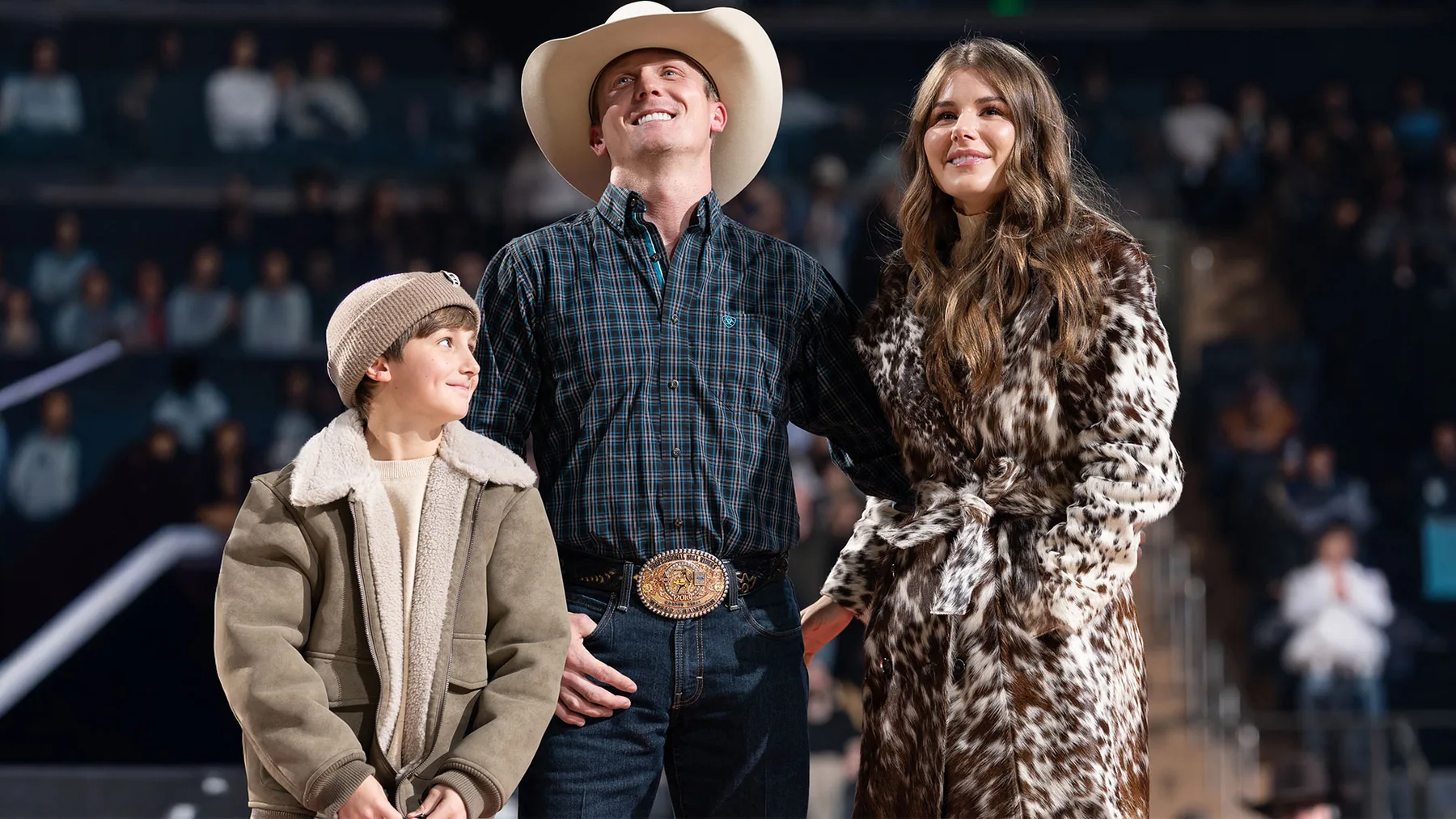
Retired PBR riders include J.B. Mauney, Silvano Alves, Cooper Davis and Justin McBride, while Paulo Crimber's injury, comeback and later coaching career require a more detailed timeline. Their familiar names remain in the sport through coaching, broadcasting, team management and career tributes. Seeing one of them on television or beside the chutes does not mean he is entered to ride.
This guide follows selected careers using official information checked on October 20, 2026. It separates Mauney's former Oklahoma coaching appointment from the team's 2026 change, Alves's October 2024 farewell from his Nashville coaching work, and Davis's earlier UTB departure from his January 2026 retirement. The aim is to help you recognise what these riders achieved, understand the roles they subsequently took and follow the current competition without confusing a historical highlight with a present-day lineup.
Retired from riding does not mean absent from PBR
A retired rider may still be one of the most visible people at a PBR event. He can coach, discuss a replay on television, help run a team or receive a career honour. The key distinction is whether he is entered to compete on bulls. Seeing a familiar hat behind the chutes is not proof that its owner is about to take another out.
Retirement also needs a clear scope. A rider can stop competing on the Unleash The Beast tour while continuing in PBR Teams or elsewhere in rodeo. Silvano Alves, for example, left the individual tour in May 2024 but completed one final Teams season before ending his riding career in October. Giving only the May date would miss that last chapter.
J.W. Harris provides another useful example. PBR's retirement report dates his decision to leave the sport to May 2021, after he had returned to rodeo full time earlier. His four PRCA world titles and his PBR Rookie of the Year award belong to different competitions. Neither an organisation change nor a gap in PBR results automatically means retirement.
There is no useful single retirement age to apply to everyone. A formal farewell, the rider's own announcement or a clear official account is stronger evidence than age, an old injury or absence from one draw. Historical athlete pages also remain useful after a career ends, so their continued existence should not be read as an active-entry notice.
The profiles below focus on selected familiar names with a documented transition and a publicly described role beyond riding, checked on October 20, 2026. For a different question—who is competing in the present era—the 2026 PBR riders guide is a better starting point. Keep the career record, current job and actual event lineup separate.
J.B. Mauney and Silvano Alves took different coaching paths
Coaching is an obvious way for a former rider to remain close to the contest, but it is still a job with appointments and departures. Mauney and Alves both moved into team coaching after their riding careers ended. Their timelines now show why an old appointment story should not be treated as a permanent description.
J.B. Mauney: retirement, Oklahoma and the 2026 change
Mauney announced his retirement in September 2023 after a neck injury ended his riding career. The two-time individual world champion then returned to PBR in a different capacity, becoming head coach of the Oklahoma Wildcatters for their 2024 debut. That put a familiar competitive personality behind the chutes, helping other riders prepare rather than taking the next bull himself.
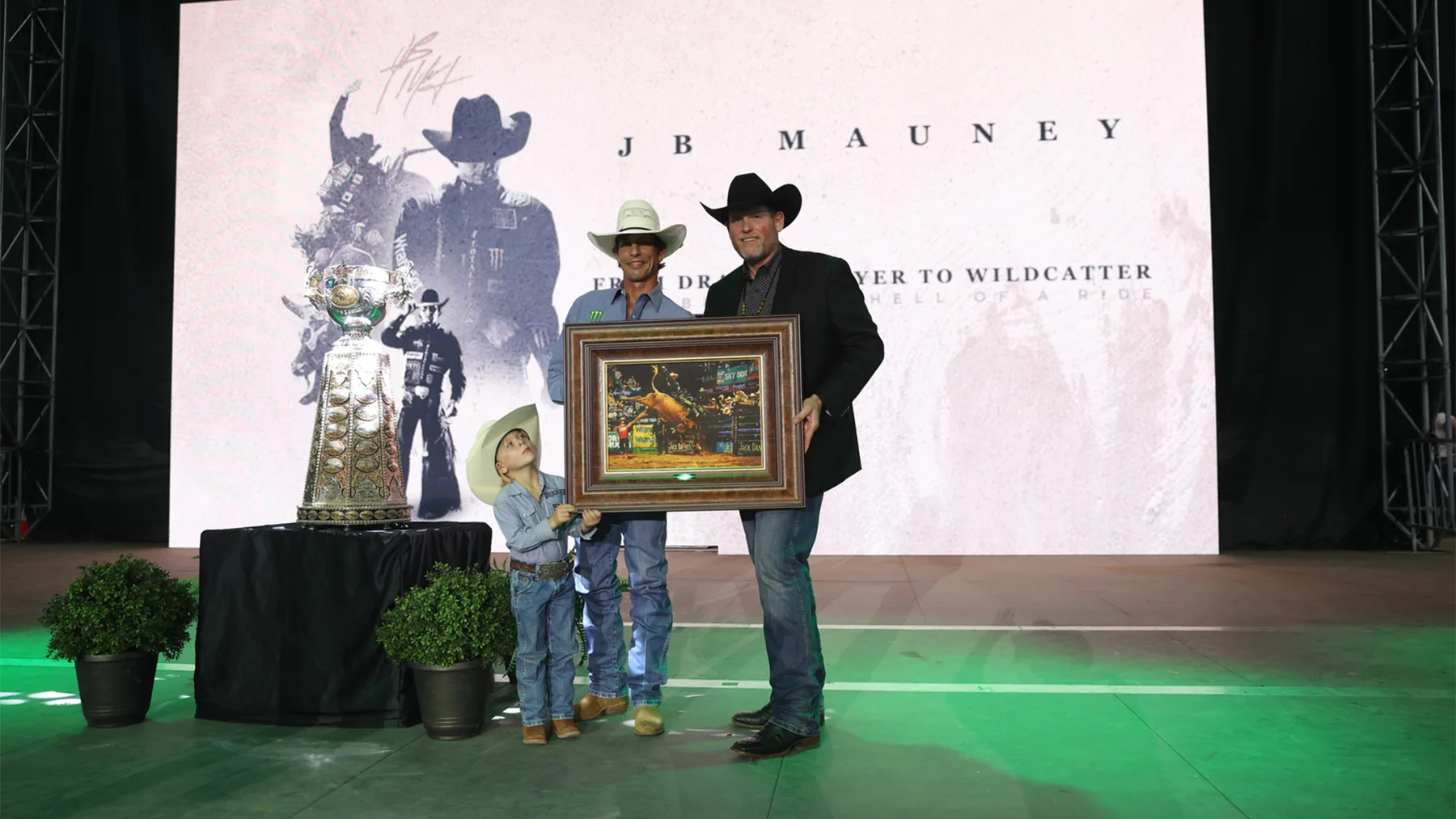
Mauney is no longer Oklahoma's head coach. PBR's April 7, 2026 report states that he and the Wildcatters mutually parted ways on February 20, with Greg Rhodes taking over the position. A 2024 or 2025 article introducing “Coach Mauney” therefore describes a real earlier role, rather than the team's current appointment.
That change does not erase his coaching experience or imply a return to competition. It means the accurate present description is retired champion and former Wildcatters head coach. Fans should look for a new official announcement before assigning him another team job. A career tribute, a guest appearance or a social post is not sufficient evidence of a new riding contract.
His transition also illustrates the limits of a famous name as an explanation for a team's results. A coach can offer preparation, judgement and support, but the entered rider still has to respond to the bull's first jump and complete the ride. Watching a former champion coach is interesting precisely because the responsibility has changed: his own successful eight seconds are no longer the unit of performance.
Silvano Alves: a 2024 final out and a Nashville coaching role
Alves ended his riding career at the October 2024 Teams Championship in Las Vegas, after already leaving UTB competition that May. His final attempt on Black Gold was ruled 7.96 seconds following a challenge. The four-hundredths short of a qualified ride made for a painful ending to the final game, but it should not overshadow the three individual world titles and Nashville's 2022 team championship behind him.
On January 9, 2025, the Stampede announced Alves as assistant coach. The role included rider development alongside Justin McBride and work around the team's training and outreach plans. PBR's June 2026 profile continues to identify him as an assistant coach and describes his involvement in youth clinics.
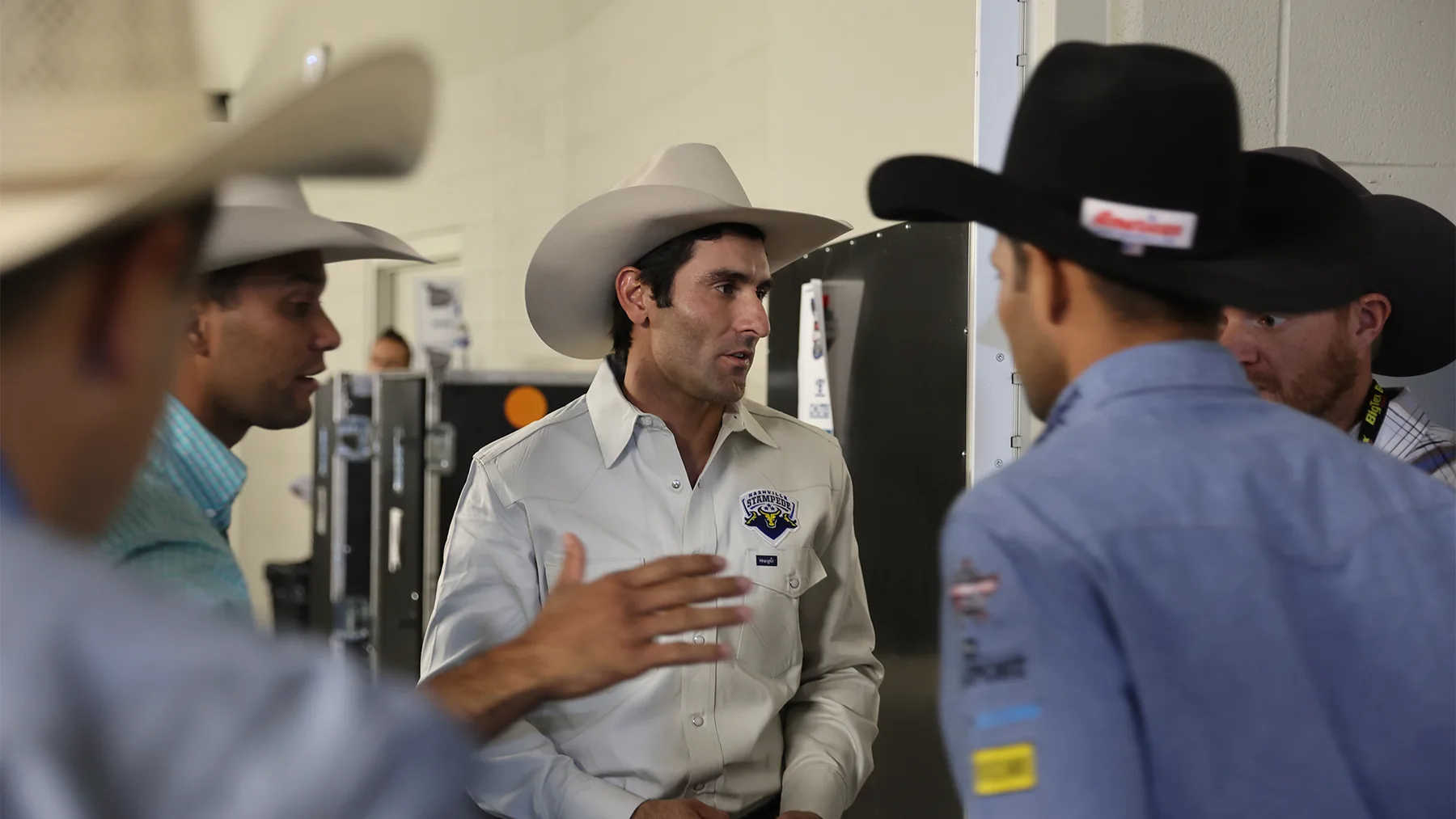
For a fan who admired his composure, this is a useful continuation to follow. Rider development means helping someone else build repeatable preparation and understand a difficult attempt, rather than displaying a champion's buckle. An assistant's contribution can be visible in a conversation before an out or in a rider's response after a buckoff, even though it never appears as the coach's own ride score.
Cooper Davis's 2026 retirement led to two new roles
Cooper Davis is a particularly easy rider to misclassify if you stop at an old headline. His November 2023 announcement concerned retirement from Unleash The Beast competition, while explicitly keeping his Carolina Cowboys Teams career going. He continued that team chapter and helped Carolina win the 2025 Teams championship. The January 2026 farewell described by PBR at Madison Square Garden marked the later, broader riding retirement.
The official January account identifies two roles beyond competing: calling the 2026 UTB season alongside Craig Hummer and serving as Carolina's assistant general manager. A February 2026 official team report also identifies him by that assistant-GM title. Neither role makes him the team's head coach or an entered rider.
For someone who remembers Davis as the 2016 individual world champion, this is a change in how to follow him. The broadcast role gives viewers his reading of other riders' attempts. The front-office role keeps him connected to a team he helped build as a competitor. Those are distinct responsibilities, even when both draw on years spent travelling, preparing and riding with the same community.
What changes when a former rider enters the broadcast booth
A former rider can explain why an attempt became difficult before the buckoff was obvious. Watch for commentary about the bull's first jump, a rider getting behind the movement or a free arm being pulled out of position. Those observations make a replay more useful than simply repeating the final score. They turn a familiar champion's experience into something a viewer can see and assess.
That is different from expecting a former champion to predict every result. The bull can change direction, the rider can recover and the officials may review a touch or timing decision. Good analysis explains what happened and what remains uncertain. A commentator's first reaction should not be confused with the official ruling, just as a coach's reaction does not itself change a score.
Davis's case also explains why a television appearance alone cannot establish retirement. He worked in broadcasting while still riding in Teams before the final farewell. The dates and scope of his announcements supply the answer. Use the viewing schedule to find a performance you want to watch, then check the actual broadcast information rather than assuming one commentator appears on every event.
Earlier retirees help run the modern team competition
The links between retired riders and current teams extend well beyond the most recent farewell. Two familiar names, Justin McBride and Paulo Crimber, show different ways to carry competitive experience into the sport's present. One is a two-time individual world champion leading a team; the other combines coaching with a long record of helping riders navigate life around the competition.
Justin McBride: the rider's experience becomes team leadership
McBride retired at the conclusion of the 2008 season, as the National Cowboy & Western Heritage Museum's biography records. His individual world championships came in 2005 and 2007. Those achievements explain why fans recognise the name, but his present relevance is not limited to replaying those championship seasons.
Nashville's current team information identifies McBride and Alves as its coaches for the 2026 era, with McBride leading the staff. That gives fans a continuing relationship to follow: two former champions working together on the same side of the chutes. Alves once helped Nashville win as a rider; now his experience complements McBride's in developing other competitors.
Team leadership changes the questions a former rider has to answer. The focus expands from preparing for one personal matchup to helping several athletes be ready for a game. A fan can watch how a team responds after a scoreless attempt, whether riders appear settled before nodding and how the group handles the final available out. Those observations are more useful than assuming a coach can reproduce his own former riding style in every athlete.
The PBR Teams guide explains the competition in which that leadership operates. Keep its team result distinct from McBride's old individual record. A current team championship would be another kind of achievement, rather than another individual season title added to his two.
Paulo Crimber: coaching and supporting riders across languages
Paulo Crimber's route away from regular competition needs a little more care than a single retirement year. Serious neck injuries disrupted his career in 2008, but PBR's contemporary 2012 account documents a brief comeback attempt in 2011 before his work in judging and translation took greater prominence. Compressing that history to “he permanently stopped in 2008” would leave out the return.
His current official profile identifies him as Florida Freedom's head coach, and August 2026 team coverage confirms that role. His son John competes for Florida, so the two appear in the same sporting story with very different responsibilities. John is the entered athlete; Paulo is the coach. The father's presence near a chute should not be confused with his own return to the draw.
Paulo's wider contribution also matters. Official career accounts describe translation and practical support for Brazilian riders, including helping them understand the arrangements around competing and living in the United States. That work can be less visible than a winning ride, yet it helps athletes function in a demanding environment far from home. Retirement can preserve a rider's knowledge in forms that a results table cannot measure.
Together, McBride and Crimber show why a retired-rider guide should include more than a list of buckles. Competitive achievement makes a name familiar; coaching, communication and support explain why that name remains part of today's PBR conversation. None of those roles requires pretending that the former athlete is still taking competitive outs.
How fans can follow retired riders without confusing their roles
A retired rider can remain part of the evening without being a competitor. You might hear Davis interpreting a replay, see Alves discussing an upcoming attempt with a Nashville rider, or watch an archival Mauney ride before a team game. Those appearances reward a little attention to context. Ask what the person is doing in the particular scene, rather than assuming that a familiar face has returned to the competitive draw.
Keep the date attached to a role as carefully as you would to a result. Mauney's February 2026 departure from Oklahoma is a useful example: an older introduction to his coaching career remains accurate history, but it cannot identify the current head coach. The same principle applies to other former riders. Follow a confirmed appointment, departure or event appearance, and leave an unknown next step open rather than supplying one from speculation.
Honours coverage offers another way to enjoy these careers. PBR's Heroes and Legends profiles recognise contributions that extend beyond a rider's last qualified out. Alves's 2026 Ring of Honor entry, for example, brings his riding record and later contribution together. An induction celebrates a career; it is not a notice that the honoree has entered the next competition.
A career record and a current lineup answer different questions
Use the greatest PBR riders guide when you want to compare achievements across eras. Use a dated draw or lineup when you want to know who will take the next bull. A team roster provides wider membership context, while a starting lineup concerns the selected riders for a particular game. A coach's name beside a team and an athlete's name in its lineup describe separate responsibilities.
That distinction is especially helpful around the Crimbers. Paulo's coaching work and John's competing belong in the same Florida Freedom story, but they are not interchangeable entries in a result. The current rider guide helps orient you among competitors; the event's final information settles the actual field. Even an active rider's team membership does not promise an appearance in every performance.
Afterward, compare the published results with the rides and coaching decisions you remember. For a broadcast, check the viewing schedule and the programme's announced coverage. Following a retired favourite can deepen your understanding of the riders now facing the bulls. The useful connection is the experience being passed on, with each person's competitive record and present responsibility kept clear.
Keep reading
Related PBR articles
Riders & Bulls
PBR Australia 2026 Title Race: Shephard, Hall and the Run to Townsville
By PBR Schedule Editorial TeamRiders & Bulls
Jean Carlos Teodoro's 2026 PBR Teams Rookie Award: What He Won and Why It Matters
By PBR Schedule Editorial TeamRiders & Bulls
Join the conversation
Comments
Comments are reviewed before publication. Keep the discussion useful, respectful and focused on bull riding.
Sign in with Google to comment
Your public comment shows your account name. Your email address is not displayed.
Commenting as
Loading comments…