PBR Injury Report Before Rattler Days: Rider Availability and What Return Dates Mean
Read the October 2 availability update including John Crimber, the meaning of PBR injury labels, Kimzey's pending matchup and roster context.
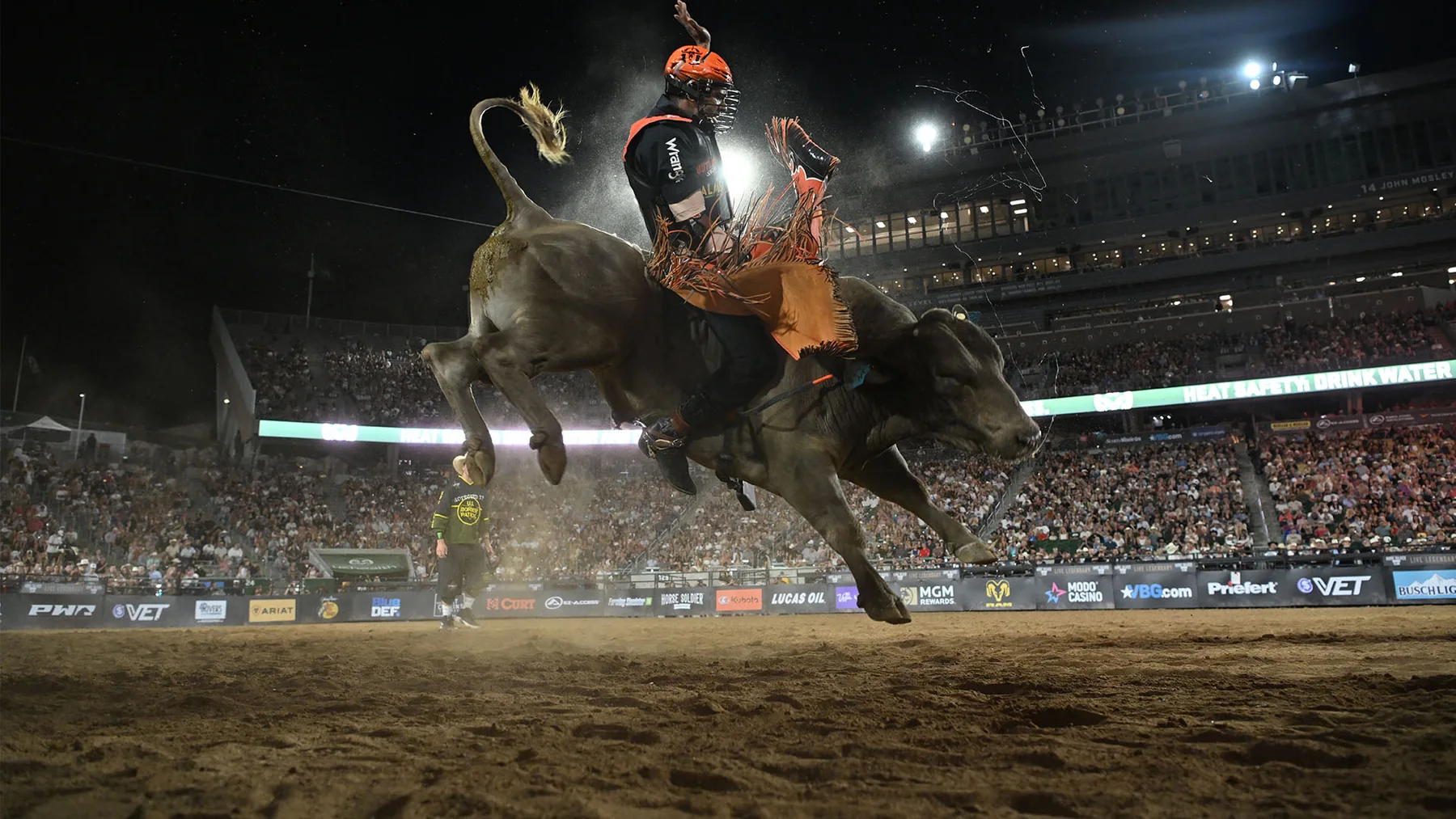
The PBR injury report is most useful when you read it beside the game you intend to watch. Before Rattler Days, fans following John Crimber, Cassio Dias, Sage Steele Kimzey and Lucas Divino need to distinguish a public availability label, an earliest return date and a rider's place in a specific lineup. Those fields describe different parts of the situation.
This October 1 guide was rechecked on October 2, 2026, before the event's opening game. It explains the league's public labels, a pending matchup that requires careful reading, and how roster decisions affect the riders you see in the arena. It also uses an earlier competitive return to show why an appearance and complete recovery are separate questions.
For the next game, keep the live official report and event daysheet close by. A dated guide can give you the vocabulary and context, while the current matchup shows which sporting opportunity is in front of the team.
The October 1 injury snapshot before Rattler Days
Reviewed October 2, 2026: four rider entries from the official PBR injury report. This is a spotlight within a longer league report, rather than a complete list of every unavailable rider.
| Rider and team | Listed injury area | Availability | Earliest return | Roster classification |
|---|---|---|---|---|
| John Crimber — Florida Freedom | Leg | Out | October 29, 2026 | Protected |
| Cassio Dias — Kansas City Outlaws | Leg | Doubtful | October 8, 2026 | Regular Season IR |
| Sage Steele Kimzey — Austin Gamblers | Head | Doubtful | October 2, 2026 | Protected |
| Lucas Divino — Texas Rattlers | Head | Out | October 8, 2026 | Regular Season IR |
Crimber's injury date is October 1; location and bull are N/A. Those missing fields do not establish where an incident occurred or which bull was involved. Filling them from a social-media clip would create an account the public report does not provide. The earliest-return field also should not become a promise that he will compete on that date.
Dias, Kimzey and Divino have September 18 Greensboro entries. The body-area descriptions do not, by themselves, identify a diagnosis, treatment plan or recovery timetable beyond the separate date field. A fan can use them to understand a reported availability concern without trying to reconstruct a medical history from a crash clip.
The immediate event is Rattler Days on October 2–4. Before its opening night, the useful question is whether a rider is expected in a particular game and what the latest public listing says. It is premature to describe the weekend as a comeback, a setback or a missed opportunity when the relevant out has yet to happen.
Keep the date of this snapshot beside the table if you share it with another fan. A screenshot can remain in a group chat after the underlying report changes, making yesterday's accurate information sound like today's announcement. Open the live report again when the rider's next game approaches, especially if an older post uses the word “out” without naming which event it concerns.
Florida's Protected roster also includes Crimber. The roster column describes a different part of the situation from the availability label. Seeing a familiar name associated with a team does not mean that he is one of the riders selected for the next matchup. Conversely, an athlete's absence from one game does not explain the reason for that absence. Reading the separate fields together gives supporters a more useful starting point for following their team.
What Doubtful, Out and Earliest Return tell fans
An injury entry becomes easier to understand when you separate three questions: what availability category is shown, when a return might first become possible, and whether the rider is selected for the game you want to watch. None of those questions is answered completely by the other two. Treat the fields as a guide to your next check rather than a single prediction.
PBR gives its own next-game probability definitions
The footnote on PBR's official report defines Doubtful as a 25% chance of availability for the next game and Questionable as a 50% chance. The important qualifier is the next game. These are the league's published availability definitions.
Those percentages are not a rider's chance of full recovery, his expected riding percentage or his team's probability of winning. They also do not mean that one quarter of his next four games is guaranteed to include him. An individual athlete either appears in a particular game or does not; the category communicates uncertainty before that decision becomes an observable result.
Out communicates unavailability in the current listing. It gives fans a reason to look at the other riders who may contribute, while allowing for later updates to the report. Avoid extending that word into “finished for the season” unless the league or team actually announces such a conclusion. A short status label cannot support a much longer story about an athlete's future.
A return date is a starting point for checking availability
Read Earliest Return as the date from which you should check again, rather than an appointment to watch a guaranteed ride. For a hypothetical rider with Friday in that field, a Friday game can be relevant to the return question. The date alone cannot tell you that he will take a specific bull, whether a coach will choose him, or how his first attempt will turn out.
This distinction matters even when a rider is available within the team's broader event group. PBR's 2026 roster rundown distinguishes an active event roster from the starting lineup. A fan following one athlete should therefore check the specific matchup, not stop after seeing a date or recognizing his name on a team page.
If two public listings seem to point in different directions, keep both pieces of information attached to their context. You can say that a report carries an availability concern while a pending game includes the rider. You cannot turn that combination into medical clearance, a completed return or proof that one page must be wrong. The next section shows why that careful reading has an immediate use this weekend.
Why Kimzey appears in an upcoming lineup while listed Doubtful
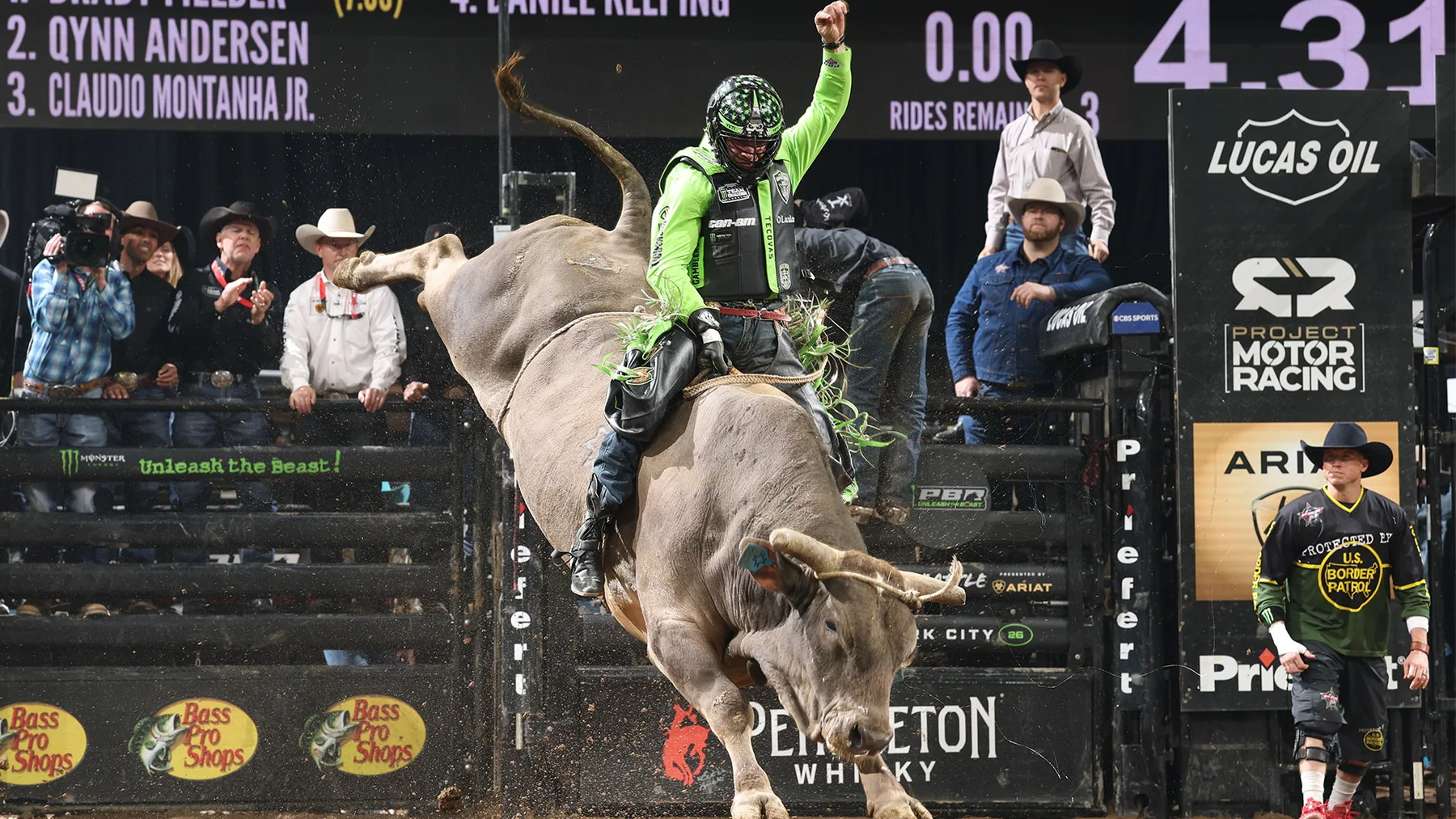
Kimzey provides a concrete example of why fans should look beyond one status label. At this guide's October 1 review, the official Teams event page lists him against Smooth Whiskey in Austin's October 2 game against Carolina. His injury-report entry still carries Doubtful. Both are public pieces of information a supporter can encounter before the game.
The useful description is that Kimzey has a listed upcoming matchup while an availability concern remains on the injury report. Calling him definitely absent would ignore the pending lineup. Calling him fully recovered would assign a medical conclusion to a sporting selection. Neither conclusion is necessary to explain what the fan should watch next.
Read the matchup and the game state together
The game is marked upcoming, and its ride-score fields contain placeholders. That means the page offers a matchup to follow, not a completed performance to celebrate. A rider-bull pairing is much more specific than a broad team roster, but the pairing still belongs to an event that has not taken place at the time of this snapshot.
Check again close to the game and listen to the broadcast's lineup introduction. If the pairing remains, follow that out; if a different rider appears, use the revised matchup to understand the game in front of you. Until a public announcement supplies the reason for a change, a substitution should not become a story about worsening symptoms or a disagreement within the team.
After the game, a recorded attempt can answer whether the rider competed. It still does not answer every question about his condition. A score demonstrates the result of that out; a buckoff demonstrates that the attempt ended short of a qualified ride. Fans can discuss those sporting outcomes without using either as a test of someone's health.
How injury status differs from a team roster decision
A team page, an injury report and a game lineup serve different purposes. The first helps you identify the organization and its riders. The second flags reported availability concerns. The third connects particular athletes with particular bulls for a game. Moving between those pages is useful because one familiar name can appear in different contexts without all the listings making the same claim.
Protected, Reserve and Injured Reserve answer different questions
Kansas City's official team page places Dias on its Injured Reserve Roster at this review. That is a roster classification, rather than a description of a specific treatment. For fans, it explains why the organization's full collection of names should not be treated as the next game's starting group.
PBR's 2026 roster explanation allows reserve riders to compete in Teams events and distinguishes event eligibility from starting selection. Reserve therefore does not mean someone can only watch from the sidelines. Protected also should not be read as a guarantee that a rider will occupy the same position every night.
Look for the actual selection before judging how a team intends to handle an absence. Different riders bring different matchup histories, and the coach's order can change what a supporter anticipates in each frame. A broader roster offers context about possible contributors; the listed game gives you the specific contest to follow.
An approved absence can have a separate explanation
In a separate example, Florida approved John Crimber's September absence to pursue PRCA competition. That announcement supplies a reason without requiring an injury explanation. The league's roster framework also recognizes approved absences, making it especially important to read what was announced for the individual rider.
If an athlete is missing from a lineup, start with the public team explanation when one exists. If none is available, describe the lineup change itself. A photograph at another event, an old profile or a fan's comment cannot reliably identify why a coach selected five different names.
Watch the replacement's matchup rather than inventing a missing score
A practical way to assess the game is to ask who has the opportunity now. Identify the selected rider, his bovine opponent and where his attempt falls in the matchup. Then watch the actual result. The PBR Teams format guide can help you follow how those contributions fit into the contest.
A missing star's best career ride is not a score waiting to be inserted into today's total. Equally, a less familiar replacement can make a valuable contribution without reproducing that personal best. Keeping the analysis tied to the available riders makes the broadcast easier to follow and gives those athletes credit for what they actually achieve.
Maverick Smith's August return shows why appearance and recovery differ
A documented earlier case helps explain what an appearance can tell fans. PBR's August 23 feature on Maverick Smith reports that Missouri placed him on IR on August 5 and that he came off it on August 19. He competed at Gambler Days with a reversed riding-hand grip, finishing the weekend three for three. The report also explained that his wrist problem had not simply disappeared with the roster change.
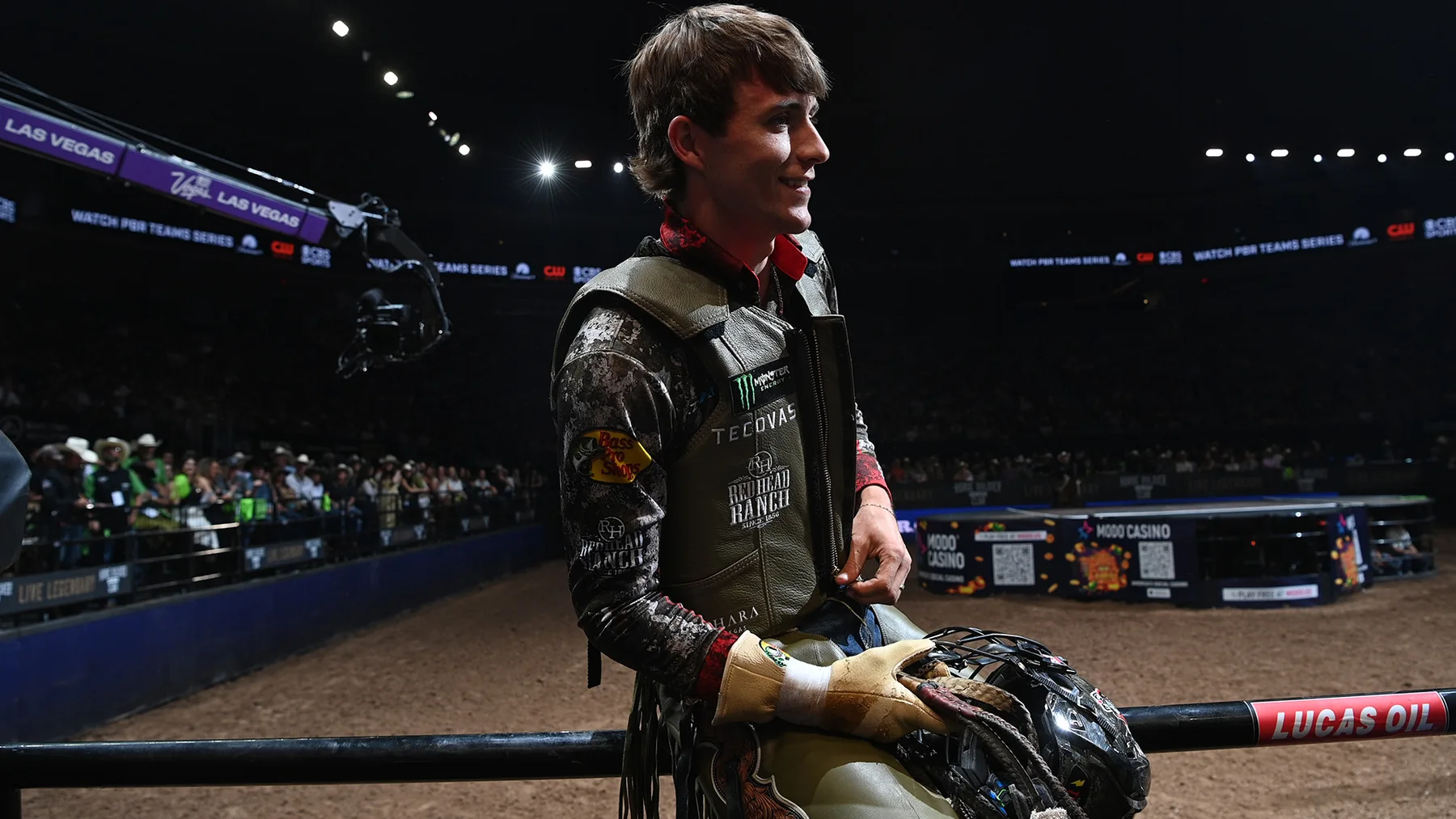
The separate August 21 game report records his 89.05 on Dirty Bomb as Missouri defeated Texas 268.35–267.65. Subtracting the totals gives a margin of 0.70. That is a completed sporting contribution in a close contest, rather than an inference drawn from an expected return date.
For a supporter, the interesting question becomes how the returning rider contributes to the game. You can follow the opponent, the quality of the out and the effect on the scoreboard. Those observations provide a richer account than simply writing “back” beside a name, while staying within what a viewer can actually see.
Smith's case also encourages precise language. Returning to competition and performing successfully were real achievements in this example. Neither should be shortened into a statement that every physical problem had ended. The feature describes one athlete's circumstances; it does not establish how quickly another rider should return or what adaptation would work for him.
When coverage discusses a changed technique, listen to the athlete's or team's public explanation rather than guessing from a single camera angle. You can appreciate the competitive result without treating an equipment detail as a medical test. The same approach remains useful after a comeback has moved past its first night: follow each subsequent game on its own terms, and let the rider's public status remain a separate question.
How to follow rider availability through a three-day weekend
Start with the game you plan to watch. PBR's game schedule identifies team matchups, while the official viewing page helps you find coverage. Confirm the date and opponent before using a lineup screenshot: similar team colors and familiar riders can make a historical game look current in a quickly shared post.
Use the Teams lineups and results page to connect the event with its riders. Keep the event heading visible when you select a different date. If the page is showing an earlier stop, its completed scores tell you about that stop rather than who is selected for the next one. A highlight thumbnail can be excellent entertainment while answering a completely different question from today's availability check.
Keep a simple game-by-game note
A short personal note makes the weekend easier to follow. Write the game date, the two teams, the rider and bull you are interested in, and whether the entry is pending or completed. Add the actual out result once it becomes available. You need no private medical details to build a clear record of what happened in the arena.
For an expected return, distinguish “listed before the game” from “attempt recorded after the game.” If a selection changes, update the name and bull instead of leaving the original pairing beside a final score. That small habit prevents a supporter from accidentally assigning another athlete's contribution to the rider he originally hoped to see.
Repeat the check for the next day's game. Do not let the first night's lineup stand in for an entire weekend, and do not assume an appearance answers every future selection question. The same team can face a different opponent and different bulls the next day, which is reason enough to read the new matchup on its own.
The daysheet reading guide explains the competition fields, and PBR Today helps locate the current event. Keep the live league injury report available alongside those tools when availability is your main interest. Together, the matchup, public status and recorded attempt let you follow the rider's sporting participation accurately as the weekend unfolds.
Keep reading
Related PBR articles
Riders & Bulls
PBR Australia 2026 Title Race: Shephard, Hall and the Run to Townsville
By PBR Schedule Editorial TeamRiders & Bulls
Jean Carlos Teodoro's 2026 PBR Teams Rookie Award: What He Won and Why It Matters
By PBR Schedule Editorial TeamRiders & Bulls
Join the conversation
Comments
Comments are reviewed before publication. Keep the discussion useful, respectful and focused on bull riding.
Sign in with Google to comment
Your public comment shows your account name. Your email address is not displayed.
Commenting as
Loading comments…